
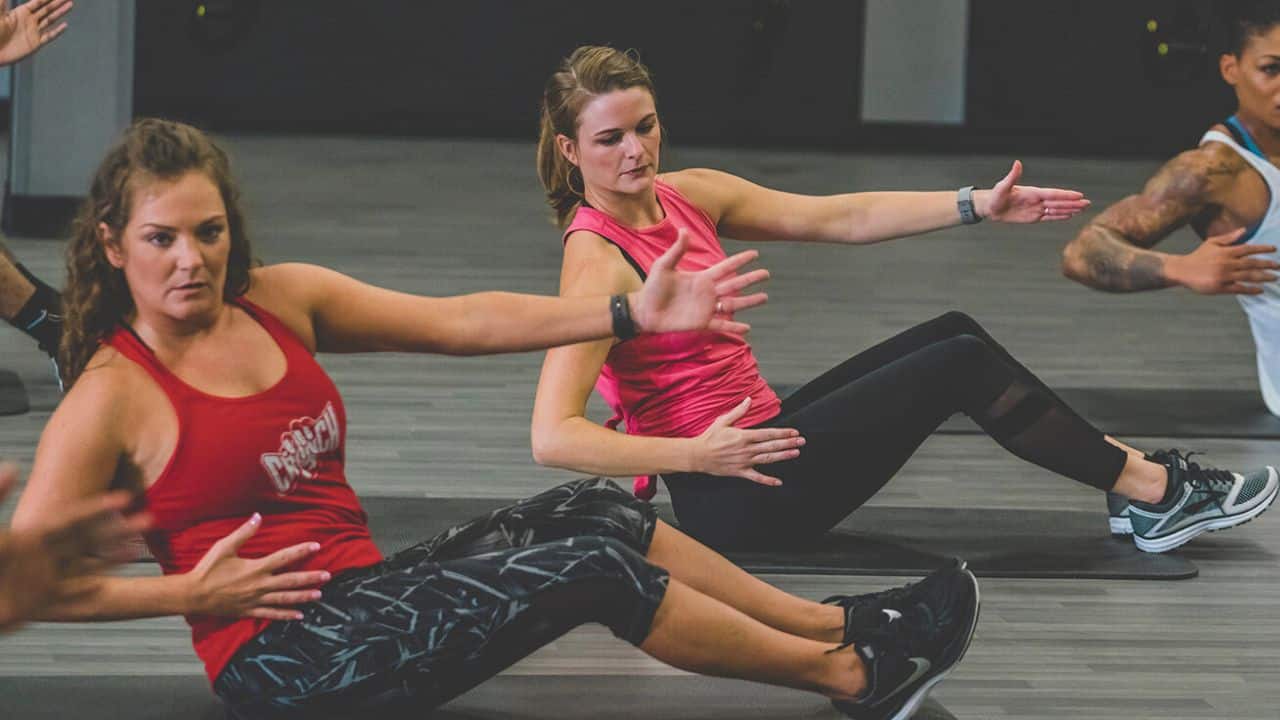
Starting your fitness journey can feel confusing when there’s too much advice and not enough clarity. The best workout routines for beginners are not about pushing your limits on day one; they’re about learning proper movement, building confidence, and creating habits that last.
This guide breaks everything down step by step so you can start exercising safely, effectively, and with motivation.
Understanding Fitness Basics Before You Start
Before choosing any workout routine, beginners need to understand a few essential fitness principles. These basics help prevent injuries, reduce frustration, and ensure that your efforts lead to real progress instead of burnout.
What “Beginner” Really Means in Fitness?
Being a beginner doesn’t mean you’re weak or unhealthy; it simply means your body is new to structured exercise. Beginners are still developing coordination, muscle memory, and endurance. Your joints, muscles, and nervous system all need time to adapt. That’s why beginner workouts focus on learning movement patterns, not lifting heavy weights or exercising for long hours.
A true beginner routine prioritizes control, proper form, and gradual improvement. Progress may feel slow at first, but this phase is crucial for long-term success.
Safety First: Warm-Ups, Cool-Downs, and Recovery
Warm-ups prepare your body for movement by increasing blood flow and loosening joints. Even five minutes of light activity, such as walking or arm circles, can reduce injury risk. Cool-downs help your heart rate return to normal and improve flexibility.
Recovery days are equally important. Muscles grow and strengthen during rest, not during workouts. Beginners who skip recovery often experience soreness, fatigue, and loss of motivation.
Read More: Fabric Choices That Last Through Every Season
Best Workout Routines for Beginners (Complete Overview)
There is no single “perfect” routine for everyone. The best beginner workouts are simple, flexible, and easy to stick with. This section explains the most effective workout styles beginners can choose from based on their goals, space, and preferences.
Full-Body Workout Routine
Full-body workouts are one of the most efficient options for beginners. Instead of focusing on one muscle group at a time, these routines train the entire body in a single session. This approach improves overall strength, coordination, and balance.
Because full-body workouts require fewer weekly sessions, they are ideal for people with busy schedules. They also allow enough recovery time between workouts.
Sample Full-Body Beginner Plan
A simple full-body routine might include:
- Squats to strengthen legs and hips
- Push-ups (modified if needed) for upper-body strength
- Rows to support posture and back muscles
- Planks to improve core stability
- Light cardio to support heart health
This type of routine builds a strong foundation without overwhelming the body.
Bodyweight Training at Home
Bodyweight training is one of the most accessible forms of exercise for beginners. It requires no equipment and can be done almost anywhere. These workouts teach you how to control your own body, which is essential before adding resistance.
Key Bodyweight Exercises Explained
Bodyweight exercises improve strength, balance, and coordination. Squats help with everyday movements like sitting and standing. Modified push-ups strengthen the arms and chest while protecting the shoulders. Glute bridges support the lower back and hips, while marching in place improves balance and cardiovascular fitness.
Because these movements are functional, they help beginners feel stronger in daily life, not just during workouts.
Beginner Strength Training with Weights
Strength training helps beginners build muscle, protect joints, and improve posture. Contrary to common myths, lifting weights does not make beginners bulky. Instead, it strengthens muscles and supports healthy movement.
Choosing the Right Weights
Beginners should always start light. The correct weight allows you to complete repetitions with proper form while still feeling challenged near the end of the set. Controlled movements are far more important than heavy loads. Over time, gradual increases in resistance lead to safe and steady progress.
Beginner Cardio Workouts
Cardio workouts improve heart health, lung capacity, and energy levels. For beginners, cardio should feel manageable, not exhausting. The goal is consistency, not intensity.
Low-Impact vs Moderate-Impact Cardio
Low-impact cardio options like walking, cycling, or swimming are gentle on the joints and ideal for beginners. Moderate-impact activities, such as brisk walking or light jogging, can be added gradually as endurance improves.
Health organizations recommend regular moderate activity to support long-term wellness, but beginners should always progress at their own pace.
READ: The Key Elements of the SLS Lifestyle
Weekly Workout Schedule for Beginners
Having a weekly schedule removes uncertainty and helps turn exercise into a habit. A clear plan makes it easier to stay consistent without overthinking what to do each day.
3-Day Beginner Workout Plan
This plan works well for beginners who want balance without feeling overwhelmed. It alternates between strength and cardio while allowing enough rest for recovery.
5-Day Beginner Workout Plan
A five-day plan includes shorter sessions and more variety. It spreads activity across the week while keeping intensity low. This approach works best when workouts remain simple and manageable.
Common Beginner Mistakes to Avoid
Many beginners quit not because exercise doesn’t work, but because they do too much too soon. Skipping warm-ups, ignoring rest days, or comparing progress to others often leads to frustration. The most successful beginners focus on consistency, not perfection.
Nutrition Basics That Support Beginner Workouts
Exercise works best when paired with basic nutrition habits. Beginners don’t need strict diets or supplements. Eating balanced meals, staying hydrated, and including enough protein help the body recover and adapt to exercise.
Small improvements in eating habits often lead to noticeable gains in energy and performance.
Read Also: Chelsea Acton FamousParenting
How to Stay Motivated and Build Consistency?
Motivation fades, but routines last. Beginners who succeed focus on habits rather than results. Tracking progress, setting realistic goals, and choosing enjoyable activities make exercise feel rewarding instead of stressful.
Remember, consistency beats intensity every time.
(FAQs) About the Best Workout Routines for Beginners
These frequently asked questions address common concerns about the best workout routines for beginners, offering clear guidance to help you start safely, stay consistent, and build confidence in your fitness journey.
What are the best workout routines for beginners?
The best workout routines for beginners focus on full-body movements, light strength training, bodyweight exercises, and low-impact cardio. These routines help build strength, improve mobility, and increase endurance without putting too much stress on the body.
How many days per week should a beginner work out?
Most beginners should work out 3 to 5 days per week. This allows enough time for exercise while still giving the body proper rest and recovery, which is essential for building strength and avoiding injury.
How long should beginner workouts last?
Beginner workouts typically last 20 to 40 minutes. Shorter sessions help beginners stay consistent and reduce fatigue, making it easier to build a long-term exercise habit.
Can beginners work out at home without equipment?
Yes, many of the best workout routines for beginners can be done at home using bodyweight exercises such as squats, push-ups, lunges, and planks. These exercises are effective for building strength and improving fitness without any equipment.
Should beginners focus more on cardio or strength training?
Beginners benefit most from a combination of both cardio and strength training. Strength training builds muscle and supports joint health, while cardio improves heart health and endurance.
How soon will beginners see results from working out?
Most beginners start noticing improvements in energy, strength, and stamina within 3 to 4 weeks of consistent workouts. Visible physical changes may take longer, depending on factors like diet and workout frequency.
What mistakes should beginners avoid when starting a workout routine?
Common mistakes include doing too much too soon, skipping warm-ups, ignoring rest days, and comparing progress to others. The best workout routines for beginners prioritize gradual progress, proper form, and consistency.
Conclusion: Building a Strong Fitness Foundation
The best workout routines for beginners are simple, safe, and sustainable. By understanding your body, following structured routines, and allowing time for recovery, you set yourself up for lifelong fitness success. Start small, stay patient, and enjoy the journey—progress will follow.