
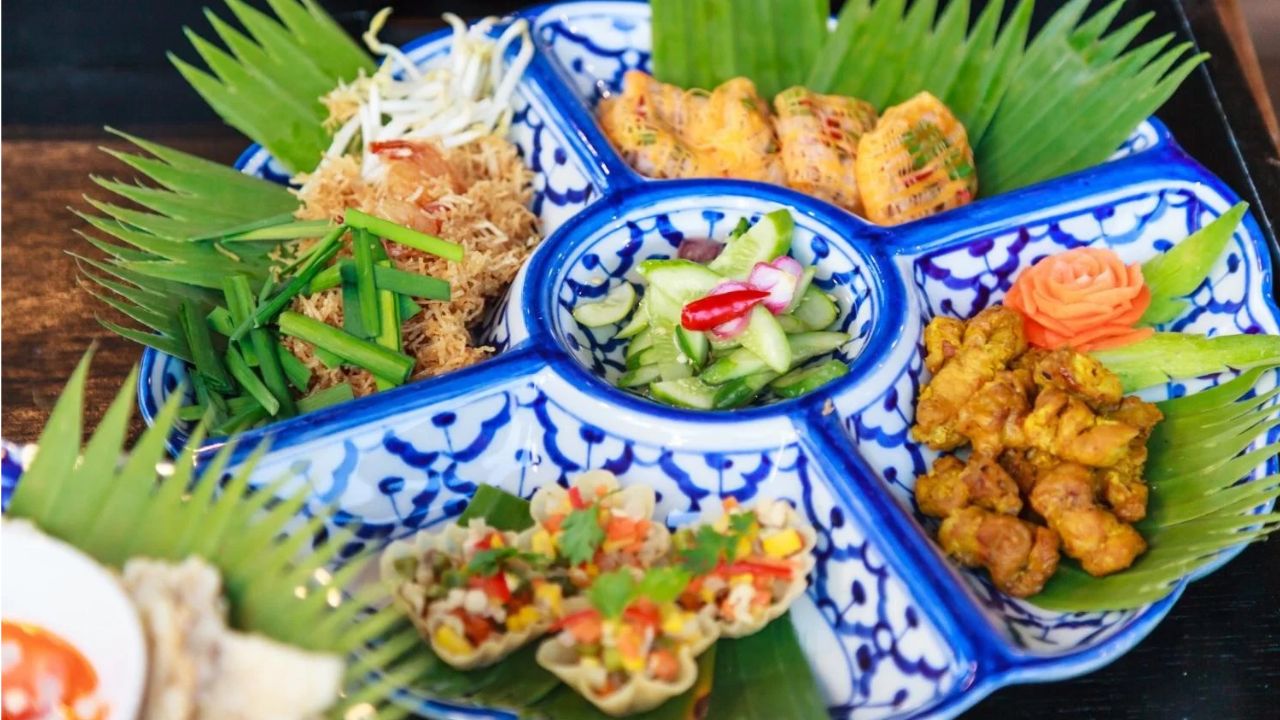
The fish curry in Bekal tastes entirely different from the fish curry in Goa, even though the properties in these two locations sit along the same coastline, separated by only a few hundred kilometres. The difference isn’t the recipe. It’s the fish itself: which species, from which waters, and how many hours passed between catch and kitchen. The curry leaves in one kitchen were picked this morning from a tree that grows in laterite soil. The other kitchen’s leaves came from alluvial ground fifty kilometres inland. You notice the difference before you fully understand why.
This is what distinguishes Gateway Hotels from other hotels with restaurants across India. The focus is not on standardisation, but on preserving the character of each region through its ingredients and cooking traditions.
Across thirteen properties spanning coastlines, hill stations, heritage cities, and wine country, Gateway Hotels operates on a single premise: that food should taste of where you are, prepared by people who understand why that matters.
The Philosophy: Celebrating Indianness Through Cuisine
The reimagined Gateway Hotels have been designed to celebrate the Indianness of each destination, embracing the rich tapestry of local ethos and culture. Each Gateway property reflects the character of its destination through local design influences, regional cuisine and cultural details. This principle extends most tangibly through food.
Through local partnerships, regional cuisine, and insights into hidden gems, these hotels serve as gateways to the heart and soul of their respective destinations.
Coastal Encounters: Bekal, Goa, Varkala
At Gateway Bekal, Earth Pavilion anchors the all-day dining experience. The karimeen arrives hours after being caught from the backwaters visible from your table. The mussels come from specific beds the chef has sourced for years, their brininess reflecting precisely where they filtered water. Your breakfast appam isn’t made from batter mixed yesterday. It’s ground fresh each morning, the rice-coconut ratio adjusted based on coconut quality, which varies seasonally.
Dining experiences at Gateway Goa, Palolem include 74 NE, Canacona’s only rooftop bistro with herb-infused grills and global flavours. The herb-infused grills are thoughtfully prepared, balancing smokiness with fresh coastal flavours. The coastal positioning means your evening meal comes with Arabian Sea views across three beaches simultaneously, the kind of setting that no interior dining room replicates.
At Gateway Varkala, Coastal Kitchen serves soulful coastal cuisine loved by guests year-round. The kitchen’s relationship with local fishing communities means you’re eating what arrived this morning rather than what the supply chain delivered yesterday. The difference registers immediately in texture, in the way the fish flakes and in how the natural oils taste before sauces mask them.
Hill Station Refinement: Coonoor, Chikmagalur, Coorg
Peony at Gateway Coonoor offers an all-day dining experience featuring a diverse menu of regional and international cuisine, all complemented by sweeping views of the Nilgiri mountains and valleys. The elevation changes how ingredients express themselves. Tea grown at these altitudes carries floral notes that plains-grown tea cannot replicate. The vegetables taste different because the soil composition differs fundamentally from that of coastal regions.
At Gateway Chikmagalur, Peaberry draws inspiration from a traditional Malanadu home, offering lunch and dinner buffets spanning local favourites and global delights. The name references the specific coffee mutation that occurs here naturally: peaberry beans, in which a single round bean develops instead of the typical two flat-sided beans per cherry. Coffee is approached with the same care and regional understanding often associated with wine culture.
Gateway Coorg extends this coffee-centric philosophy. The Cupping Room brings fresh brews and curated beans fitting the Western Ghats. Ghat’s Café serves authentic Kodava flavours alongside global cuisine. You taste how Coorg’s particular combination of elevation, rainfall, and soil creates coffee that differs from Chikmagalur’s despite their relative proximity. The Kodava cuisine reflects centuries of isolation in these hills: pork prepared with local spices and bamboo shoot curries that taste specifically of this forest ecosystem.
Wine Country and Heritage Cities: Nashik, Aurangabad, Madurai
Gateway Nashik celebrates local culinary traditions through Panchratna, where dishes are made from cherished recipes and authentic cooking methods. The Maharashtrian thali here delivers what generations have perfected. Vinora is a cosy-chic social hub blending elegance with ease, featuring globally inspired sharing plates, easy-drinking cocktails, and local wines. The wine list draws from vineyards minutes away, pairing regional varietals with food that earns the match.
At Gateway Aurangabad, you navigate between two distinct culinary voices. Latitude fuses global flavours with Maharashtra’s rich culinary heritage, including Aurangabad’s unique traditions. The Tea House offers an elegant journey through Asia’s most exquisite flavours, with dishes meticulously crafted from time-honoured culinary traditions. This thoughtful mix reflects Aurangabad’s role as an important cultural gateway to the Ajanta and Ellora Caves.
Gateway Madurai features Beneath the Canopy, where dining happens under the shade of 150-year-old banyan trees with specially crafted dishes served for lunch, high tea, and dinner. Madurai’s culinary identity runs deep: the city’s temples have shaped its vegetarian traditions for centuries, while its position as a commercial hub brought diverse influences that the local cuisine absorbed and made its own. The kitchen reflects this layered history through dishes that honour the city’s temple town character.
Urban Sophistication and Island Serenity: Ahmedabad and Diu
At Gateway Ahmedabad, Aura serves global and regional favourites, demonstrating how hotels with restaurants can serve both without compromise. The regional menu delivers dhokla that matches what Ahmedabadis expect: the fermentation producing a specific sourness, the tadka precisely balanced, and the texture neither too dense nor too spongy. The international menu sits comfortably alongside regional specialities, recognising that travellers sometimes want familiar comfort alongside regional discovery.
Gateway Diu takes advantage of its island positioning differently. The Portuguese influence that shaped Diu’s architecture extends into the kitchen, where techniques borrowed from four centuries of colonial presence merge with Gujarati and Kathiawadi traditions. The seafood preparations differ from those in mainland Gujarat, not arbitrarily, but because the island’s fishing culture developed its own logic over generations.
What This Means for Your Stay
When you’re staying at Gateway Hotels properties, your meals become a deeper part of understanding the destination. You learn why Coonoor’s Nilgiri tea tastes different from Darjeeling’s. You understand how Coorg’s coffee benefits from specific altitude and rainfall patterns. You discover that Varkala’s seafood preparation methods differ from Goa’s, not arbitrarily but because different fish require different handling.
This knowledge accumulates subtly. You’re eating thoughtfully prepared food at hotels with restaurants that take regional authenticity seriously enough to invest in it properly. You begin understanding the region naturally through its ingredients, flavours and cooking traditions.
After eating properly prepared Malayali cuisine at Gateway Bekal, you understand what to look for when exploring local restaurants. After experiencing Nashik’s well-executed wine-food pairing, you can evaluate other establishments more intelligently. After tasting how altitude affects coffee in Chikmagalur and Coorg, you recognise quality differences that were previously invisible.
Gateway Hotels positions its dining as a foundational element of the stay experience. You’re not here despite the food. You’re here partly because of it, because the kitchen takes its role as cultural interpreter seriously and because every meal reinforces why you chose this particular region to visit. Across eleven destinations, Gateway Hotels brings regional food traditions closer to the traveller in a way that feels thoughtful, grounded and distinctly local.