Planning a trip from Las Vegas to Bryce Canyon? This journey combines the excitement of the desert city with the awe-inspiring beauty of Utah’s natural wonders. Whether you’re driving yourself, joining a tour, or planning a road trip with friends and family, this guide covers everything you need to know. From scenic routes and hidden gems to lodging and hiking trails, here’s your ultimate guide for a seamless and unforgettable adventure.
Traveling from Las Vegas to Bryce Canyon offers a unique mix of landscapes—from neon lights and desert heat to towering hoodoos and star-studded skies. The trip typically spans around 270 miles and takes roughly 4.5 to 5 hours by car, making it perfect for a weekend getaway or a longer road trip. Along the way, travelers experience red rock canyons, desert vistas, and quaint towns, giving them a taste of both Nevada and Utah’s natural beauty.
The journey isn’t just about reaching Bryce Canyon—it’s about the stops, adventures, and memories you collect along the way. Whether you’re a seasoned traveler or a first-time visitor, planning can make the trip smoother and more enjoyable.
Distance, Time, and Best Route Options
Driving from Las Vegas to Bryce Canyon primarily involves taking I-15 North toward Utah and then exiting onto scenic highways like UT-20 or US-89.
Route Options:
- Fastest Route (I-15 & UT-20) – About 270 miles, 4.5–5 hours, mostly highway driving. Ideal for those prioritizing speed.
- Scenic Route (via Valley of Fire & Zion National Park) – Adds 1–2 hours but offers breathtaking landscapes and photo opportunities.
- Backroads Adventure – Smaller roads like UT-12 or UT-89 are perfect for exploring hidden gems, but they require more planning and more frequent fuel stops.
Tips:
- Always check road conditions, especially in winter, as some routes may be closed due to snow.
- Fill up on gas in larger towns like St. George, Utah, as fuel stations are sparse along the way.
- Bring a map or GPS device; cell service is unreliable in remote areas.
When to Visit Bryce Canyon from Las Vegas?
Timing can significantly affect your trip experience.
Best Seasons:
- Spring (March–May): Mild weather, blooming wildflowers, fewer crowds.
- Fall (September–November): Crisp air, vibrant foliage, perfect hiking conditions.
Weather Considerations:
- Summer temperatures can reach 90°F in Las Vegas but remain cooler in Bryce Canyon (50–70°F).
- Winter months bring snow, creating stunning contrasts in the canyon but making some roads impassable.
Peak Tourist Times:
- The summer months (June–August) are the busiest. Early mornings or weekdays are ideal to avoid crowds.
Related: Phoenix to Las Vegas Road Trip
Scenic Stops Along the Way
Turning the drive into a full adventure is easy with scenic stops:
- Valley of Fire State Park – Only 55 miles from Las Vegas, famous for red sandstone formations and petroglyphs.
- St. George, Utah – A convenient stop for food, fuel, and shopping.
- Red Cliffs Desert Reserve – Offers hiking trails and views of red cliffs and desert wildlife.
- Hidden Gems – Take detours to small towns like Kanab or explore slot canyons near Zion National Park.
Transportation Options from Las Vegas to Bryce Canyon
Driving Your Own Car – Most flexible option; allows spontaneous stops and scenic detours.
Guided Tours – Convenient for travelers who prefer not to drive. Tours often include shuttle services, park entrance fees, and guided hikes.
Public Transportation – Limited; buses exist between Las Vegas and some Utah towns, but reaching Bryce Canyon usually requires a car or tour.
Preparing for the Drive
Vehicle Checks: Ensure your car is ready for long drives—check tires, oil, and fuel.
Packing Essentials:
- Plenty of water and snacks
- Sunglasses, hats, and sunscreen
- Hiking shoes and layered clothing
Safety Tips:
- Carry a first aid kit
- Avoid driving at night in remote areas
- Inform someone about your route if traveling alone
Accommodations Near Bryce Canyon
Options range from rustic campgrounds to luxury lodges:
- Hotels: Best for comfort; options like Bryce Canyon Lodge or nearby motels in Tropic, Utah.
- Campgrounds: North and Sunset Campgrounds provide closer access to the park.
- Cabins & Unique Stays: Rent a cabin for a cozy and scenic experience.
Bryce Canyon National Park Overview
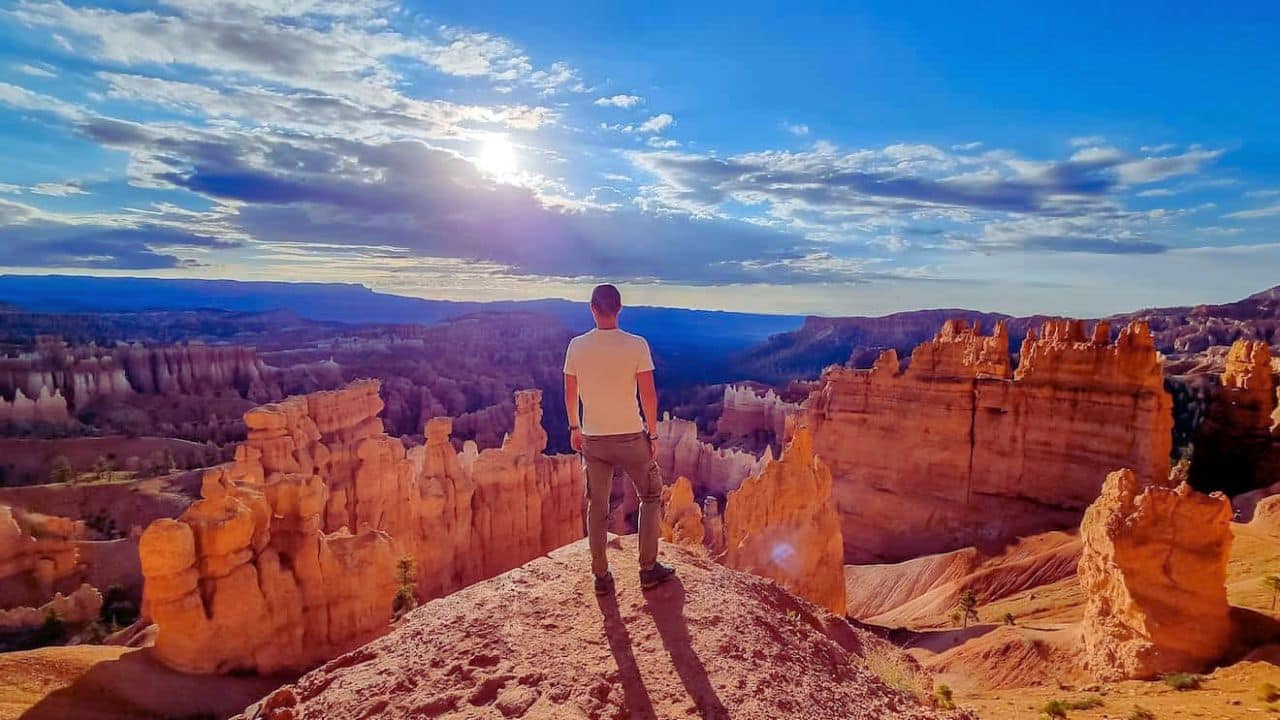
Bryce Canyon is renowned for its hoodoos, natural rock spires shaped by frost and erosion. Established as a national park in 1928, it spans over 35,000 acres, offering hiking trails, scenic viewpoints, and opportunities for wildlife spotting.
Visitor centers provide maps, ranger programs, and essential information to make the most of your visit.
Must-See Attractions in Bryce Canyon
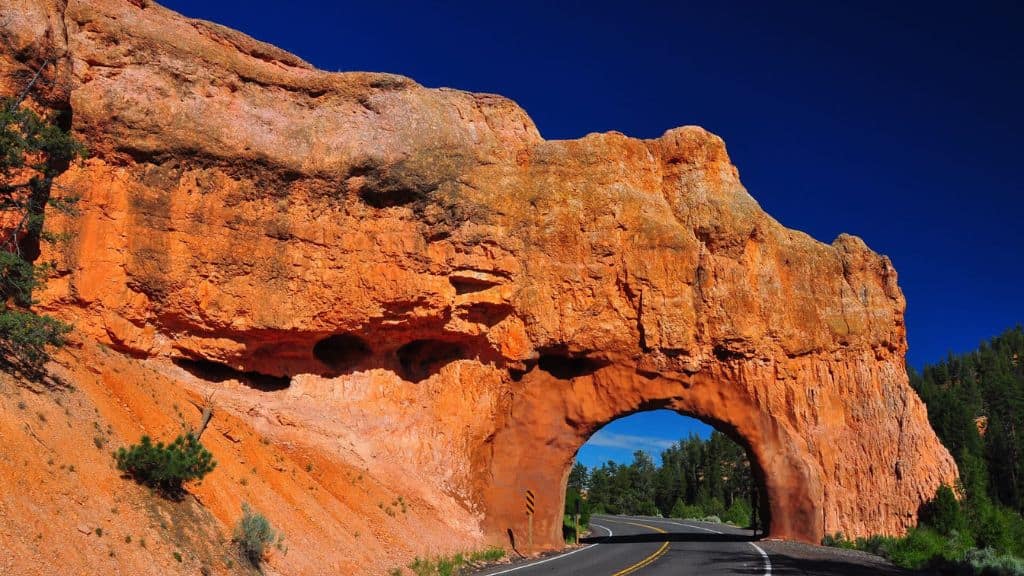
Bryce Canyon National Park is renowned for its stunning hoodoos, vibrant rock formations, and panoramic viewpoints, offering visitors unforgettable scenery, hiking adventures, and exceptional spots for photography and stargazing.
- Sunrise Point & Sunset Point: Perfect for photography during golden hours.
- Bryce Amphitheater: Central area with dramatic hoodoo formations.
- Navajo Loop Trail & Queen’s Garden: Popular trails offering moderate hikes with stunning views.
- Stargazing: Bryce Canyon is an International Dark Sky Park, perfect for astronomy enthusiasts.
READ: How Far is Reno From Las Vegas?
Activities and Adventures
- Hiking: Trails range from easy walks to strenuous hikes; bring water and wear proper shoes.
- Horseback Riding: Seasonal tours offer a unique perspective of the park.
- Photography Tips: Capture the vibrant colors of hoodoos during sunrise or sunset.
- Winter Activities: Snowshoeing and winter hiking are rewarding but require preparation.
Food and Dining Options
Exploring food and dining options near Bryce Canyon offers a mix of cozy lodges, local cafés, and scenic picnic spots, serving everything from hearty meals to regional Utah specialties.
- Restaurants: Bryce Canyon Lodge Dining Room, local cafes in Tropic or Panguitch.
- Picnic Spots: Several designated areas with tables and scenic views.
- Local Delicacies: Try Utah scones, fry sauce, and locally roasted coffee.
Tips for First-Time Visitors
For first-time visitors to Bryce Canyon, careful planning enhances the experience. Knowing key viewpoints, packing essentials, and safety tips ensures a memorable, comfortable, and stress-free adventure in this stunning park.
- Arrive early to avoid crowds at popular viewpoints.
- Carry layers; temperatures can change quickly.
- Observe wildlife from a safe distance.
- Use park maps to plan your route efficiently.
Cost and Budget Planning
Planning a trip from Las Vegas to Bryce Canyon requires careful cost and budget planning, including expenses for park entry, accommodations, fuel, meals, and optional tours to ensure a smooth and affordable adventure.
- Park Entrance Fees: $35 per vehicle for 7 days.
- Accommodation Costs: $100–$250 per night for hotels; campgrounds around $20–$30.
- Road Trip Expenses: Factor in fuel, food, and any guided tours.
Packing Essentials for the Trip
- Comfortable hiking shoes
- Sunscreen and hats
- Water bottles and snacks
- Camera and binoculars
- Layers for varying temperatures
Day Trips and Nearby Attractions
Exploring day trips and nearby attractions around Bryce Canyon offers travelers additional adventures, from scenic hikes and historic towns to national parks, making it easy to extend your trip beyond the main park.
- Zion National Park: Just 90 miles away, perfect for additional hiking and photography.
- Grand Staircase-Escalante National Monument: Offers unique rock formations and backcountry trails.
- Kanab, Utah: Small town with local culture, restaurants, and access to slot canyons.
Read More: How Far is The Hoover Dam from Las Vegas?
Environmental Considerations and Responsible Travel
When visiting Bryce Canyon, practicing responsible travel is essential. Protecting fragile landscapes, respecting wildlife, and following Leave No Trace principles ensures that the park’s natural beauty remains preserved for future generations.
- Follow Leave No Trace principles.
- Stay on marked trails to protect fragile landscapes.
- Avoid feeding wildlife and dispose of trash responsibly.
How long does it take to drive from Las Vegas to Bryce Canyon?
The drive from Las Vegas to Bryce Canyon typically takes 4.5 to 5 hours if you follow the fastest route via I-15 North and UT-20 East, covering roughly 270 miles. However, the total travel time can vary depending on traffic, road conditions, and stops along the way.
Many travelers choose to extend the trip by adding scenic detours through state parks or small towns, which can add an extra 1–2 hours. It’s important to plan for fuel, food breaks, and occasional sightseeing to make the journey safer and more enjoyable.
What is the best route from Las Vegas to Bryce Canyon?
The most popular route from Las Vegas to Bryce Canyon is taking I-15 North to UT-20 East, which combines smooth highways with minimal traffic. For those seeking scenic adventures, a detour through Valley of Fire State Park or Zion National Park adds incredible desert landscapes, red rock formations, and photo opportunities.
Another option is the UT-12 scenic byway, which offers breathtaking panoramas but requires careful planning due to winding roads and limited services. Ultimately, the best route depends on whether you prioritize speed or sightseeing.
What are the must-see stops or attractions along the way?
Travelers from Las Vegas to Bryce Canyon have several iconic stops to enhance their road trip. Valley of Fire State Park is a must-see for its striking red sandstone formations and ancient petroglyphs. St. George, Utah, provides a convenient spot for fuel, meals, and quick sightseeing.
For nature enthusiasts, the Red Cliffs Desert Reserve offers short hikes and opportunities to view desert wildlife. If you’re willing to explore further, small towns like Kanab or detours through Zion National Park reveal hidden gems and incredible landscapes that make the drive just as memorable as the destination.
Read Also: Las Vegas Kayak Tour
When is the best time of year to travel from Las Vegas to Bryce Canyon?
The ideal time to travel from Las Vegas to Bryce Canyon depends on the weather and crowd preferences. Spring (March–May) and Fall (September–November) are generally the best seasons, offering mild temperatures, fewer tourists, and vibrant natural colors.
Summers are warmer and busier, especially in Bryce Canyon, so early mornings are recommended to avoid crowds. Winter provides a serene experience with snow-dusted hoodoos, but travelers should be prepared for icy roads and occasional closures, especially on high-elevation routes.
What are the best things to do in Bryce Canyon after arriving?
After arriving at Bryce Canyon, visitors can explore a wide variety of activities suitable for all ages and fitness levels. Hiking is the most popular option, with trails like the Navajo Loop, Queen’s Garden, and the Bryce Amphitheater offering breathtaking views of hoodoos and rock formations.
For photographers, sunrise and sunset viewpoints provide unforgettable shots of colorful landscapes. Visitors can also enjoy stargazing, as Bryce Canyon is an International Dark Sky Park, or try horseback riding and ranger-led programs to learn more about the park’s geology and wildlife.
Conclusion
The journey from Las Vegas to Bryce Canyon is more than a road trip—it’s an adventure through diverse landscapes, scenic stops, and unforgettable natural beauty. By planning your route, packing essentials, and exploring nearby attractions, you can make this trip one of the most memorable experiences of your life. Whether hiking the hoodoos, stargazing, or enjoying local cuisine, Bryce Canyon awaits with a unique and awe-inspiring adventure