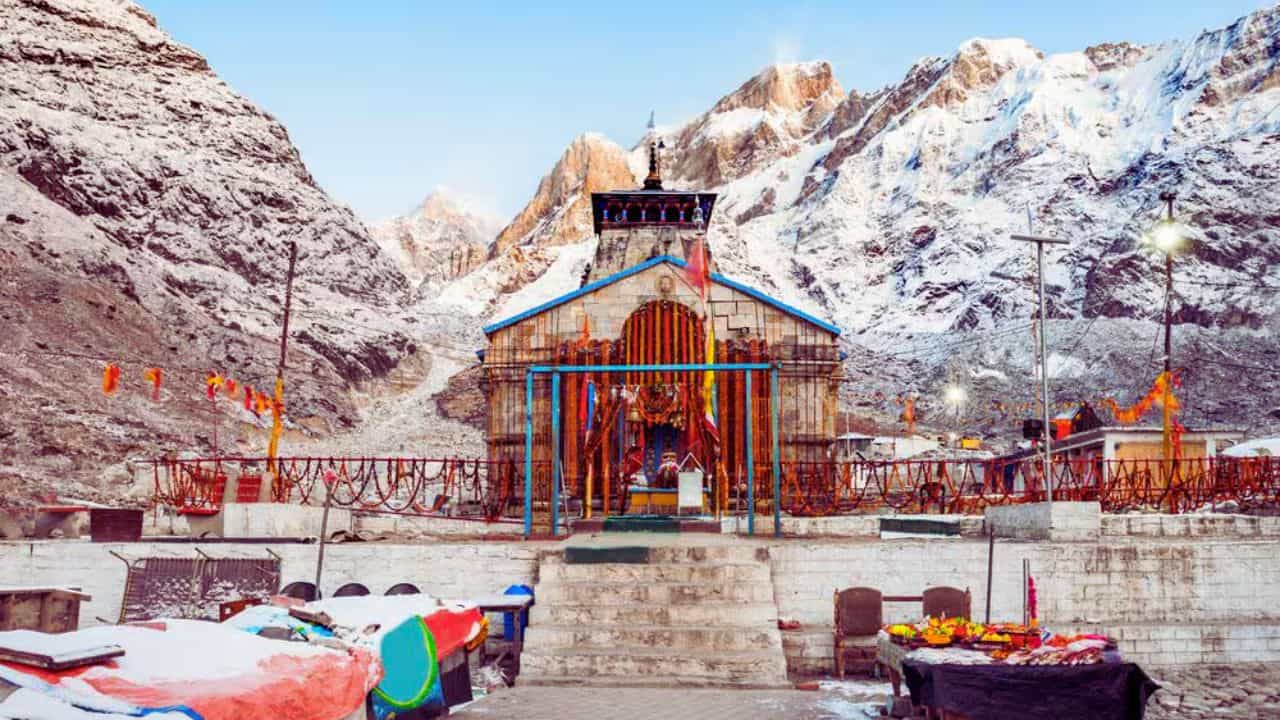
Kedarnath is not just a destination; it’s an experience that blends spirituality, adventure, and natural beauty into one unforgettable journey. Located in the Garhwal Himalayas of Uttarakhand, this sacred temple sits at an altitude of over 3,500 meters, surrounded by snow-capped peaks and breathtaking landscapes.
Understanding the best time to visit Kedarnath is crucial because the region experiences extreme weather conditions throughout the year. Unlike many tourist destinations, Kedarnath is accessible only for about six months annually, making timing one of the most important factors in planning your trip.
The journey itself involves a scenic trek, devotion, and resilience, which makes it even more rewarding when done at the right time.
Why Kedarnath is a Popular Pilgrimage Destination
Kedarnath holds a special place in Hindu spirituality as one of the most revered pilgrimage sites. It is part of the Char Dham Yatra, which includes Yamunotri, Gangotri, and Badrinath. Completing this journey is believed to cleanse one’s soul and bring spiritual liberation.
What makes Kedarnath unique is not just its religious importance but also its remote and majestic location. The temple stands resilient against harsh weather, symbolizing faith and endurance. Every year, millions of pilgrims and travelers visit this holy site seeking blessings, peace, and a deeper connection with nature.
Spiritual Significance of Kedarnath Temple
Dedicated to Lord Shiva, Kedarnath is one of the 12 Jyotirlingas, which are considered the most sacred abodes of Shiva. According to mythology, the temple was built by the Pandavas to seek forgiveness after the Mahabharata war.
The spiritual energy of the place is often described as powerful and calming at the same time. The combination of chanting prayers, ringing bells, and the serene Himalayan backdrop creates a deeply immersive spiritual experience.
Related: Kedarnath Temple Travel Guide
Best Time to Visit Kedarnath (Overview)
Choosing the best time to visit Kedarnath depends on multiple factors such as weather, safety, accessibility, and personal preferences. Each season offers a different experience, but not all are suitable for travel.
Seasonal Breakdown (Detailed Insight)
- Summer (May–June): The most popular and safest time. Snow begins to melt, and routes become accessible.
- Monsoon (July–August): High risk due to landslides and unpredictable rainfall.
- Autumn (September–October): Ideal for peaceful travel with clear skies and scenic beauty.
- Winter (November–April): Temple remains closed due to heavy snowfall.
Ideal Months for Kedarnath (Expanded View)
The months of May, June, September, and October provide the best balance of weather, safety, and accessibility. During these months, you can comfortably complete the trek and enjoy the divine surroundings without major risks.
Kedarnath Weather Throughout the Year
Weather plays a decisive role in determining the best time to visit Kedarnath. Due to its high altitude, the climate remains cold even in summer.
Summer Season (May to June)
Summer is widely regarded as the most favorable season for visiting Kedarnath.
- The temperature ranges between 5°C and 18°C, making it relatively comfortable.
- Snow begins to melt, revealing lush green valleys and clear trekking paths.
- All travel services, including accommodation and helicopter rides, are fully operational.
However, this is also the peak season, so expect crowds and slightly higher prices.
Monsoon Season (July to September)
Monsoon brings heavy rainfall, which significantly affects travel safety.
- Frequent landslides can block roads and trekking routes.
- Slippery paths increase the risk of accidents.
- Visibility may be reduced due to fog and rain.
Although the valley looks incredibly green and fresh, the risks outweigh the benefits, making this season less suitable for travel.
Autumn Season (October to November)
Autumn is often underrated, but it is actually one of the best times to visit Kedarnath.
- The skies are crystal clear, offering stunning mountain views.
- The weather is cold but stable, with minimal rainfall.
- The number of visitors decreases, allowing for a शांत and peaceful experience.
This season is perfect for those who want to avoid crowds and enjoy nature at its finest.
Winter Season (December to April)
Winter in Kedarnath is extremely harsh.
- Temperatures drop below freezing.
- Heavy snowfall makes the region completely inaccessible.
- The temple is closed, and the deity is moved to a nearby location.
Travel during this time is not possible, but it highlights the importance of planning your trip during the open months.
Best Time to Visit Kedarnath for Different Travelers
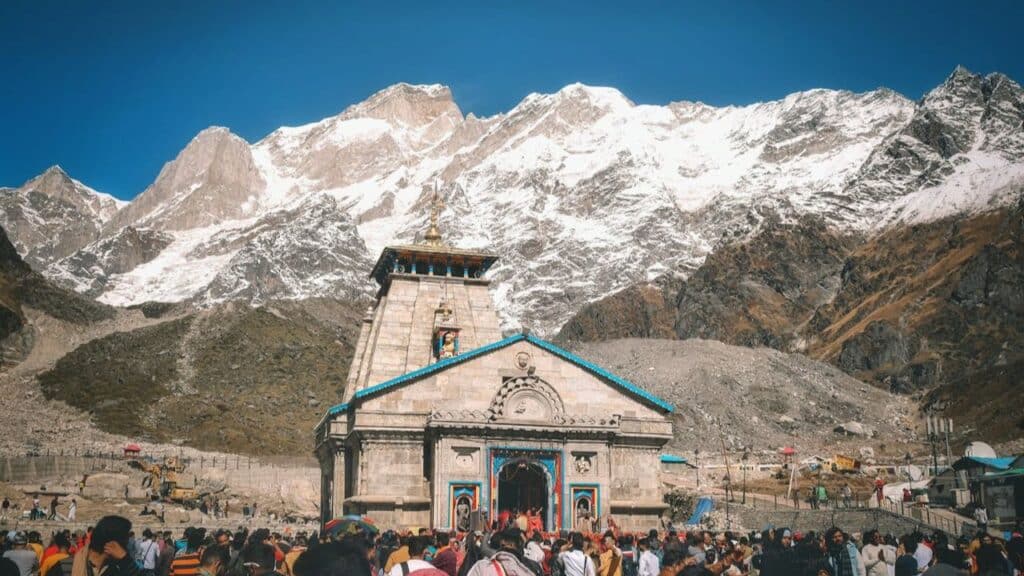
The best time to visit Kedarnath depends on the type of traveler and their personal preferences. Pilgrims who seek a peaceful and deeply spiritual experience often prefer September and October, when the crowds are smaller and the environment is calm, allowing for quiet prayer and reflection.
Adventure lovers and trekking enthusiasts usually choose May and June because the weather is stable, the trekking routes are open, and the natural scenery is fresh and beautiful after the snow melts.
Budget travelers can plan their visit in early May or late September to take advantage of lower prices and better availability of accommodations. Senior citizens or those looking for a more comfortable journey may also prefer these periods, especially since helicopter services are available to reduce physical strain. In the end, choosing the right time depends on whether your priority is spirituality, adventure, comfort, or budget-friendly travel.
Pilgrims Seeking Spiritual Peace
If your goal is spiritual connection and शांत वातावरण, visiting during September or October is ideal. The reduced crowd allows you to spend more time in prayer and reflection.
Adventure Travelers
Adventure seekers often prefer May and June when trekking conditions are favorable. The journey from Gaurikund to Kedarnath offers stunning views, river crossings, and a sense of accomplishment.
Budget Travelers
Traveling just before peak season or right after monsoon (early May or late September) can help you save money on accommodation and transport.
Read More: Kedarnath Temple Opening and Closing Dates
Kedarnath Yatra Opening and Closing Dates

The temple’s schedule is based on Hindu traditions and seasonal conditions.
Temple Opening Ceremony (Detailed)
The temple usually opens on Akshaya Tritiya, a highly auspicious day. The opening ceremony is grand and attracts thousands of devotees.
Temple Closing Ceremony (Detailed)
The temple closes after Diwali, marking the beginning of winter. The closing ceremony is equally significant and emotional for devotees.
Month-by-Month Travel Guide (Enhanced)
Planning your journey becomes easier with a clear month-by-month travel guide. Each month offers different weather conditions, crowd levels, and travel experiences, helping you choose the best time to visit Kedarnath based on comfort, safety, and personal preferences.
May
Fresh opening, snow-covered surroundings, and moderate crowds make it a magical time.
June
Best weather conditions but highest crowd density.
September
Green landscapes after the monsoon and fewer tourists.
October
Cold yet शांत, ideal for photography and peaceful दर्शन.
Crowd Levels and Peak Season Insights
Understanding crowd patterns helps you plan better.
- Peak season (May–June) offers vibrant energy but long queues.
- Off-peak (September–October) offers calmness and shorter waiting times.
Travel Tips for Kedarnath Yatra (Expanded)
Planning is essential for a safe and comfortable Kedarnath Yatra. From packing the right clothing to preparing for high-altitude conditions, small steps can make a big difference. Understanding weather changes, health precautions, and travel logistics ensures a smooth journey and allows you to enjoy the spiritual and scenic experience fully.
Packing Essentials
- Thermal wear and jackets
- Waterproof clothing
- Power banks and flashlight
- Basic first-aid kit
Health & Safety Tips
- Acclimatize to high altitude gradually
- Avoid heavy meals during trekking
- Keep emergency contacts handy
How to Reach Kedarnath?
Reaching Kedarnath requires a combination of air, rail, and road travel, followed by a scenic trek through the Himalayas. While the journey may seem challenging, it is well-organized and accessible with multiple transport options. Proper planning ensures a smooth and comfortable to this sacred destination.
By Air, Rail, and Road
- Fly to Dehradun, then travel by road to Gaurikund
- Rail connectivity via Rishikesh
- Well-connected roads up to base camp
Trekking Route Details
The 16 km trek is both challenging and rewarding. Options like ponies, palkis, and helicopters are available for convenience.
Read Also: Kedarnath Helicopter Booking
Accommodation Options in Kedarnath
Accommodation options in Kedarnath cater to a wide range of travelers, from budget pilgrims to those seeking more comfort.
Due to its remote location, facilities are simple yet sufficient. Visitors can choose from basic lodges, dharamshalas, camps, and nearby hotels, ensuring a convenient and restful stay during their spiritual journey.
Budget Stays
Simple lodges and dharamshalas provide affordable options for pilgrims.
Luxury Options
Premium camps and hotels in nearby areas offer better comfort and facilities.
Festivals and Events in Kedarnath
Festivals and events in Kedarnath add a vibrant spiritual dimension to this sacred Himalayan destination, making the journey even more meaningful for visitors. While the temple is primarily known for its religious importance, special occasions and celebrations bring the entire region to life with rituals, prayers, and a strong sense of devotion.
These events are deeply rooted in Hindu traditions and are observed with great enthusiasm by priests, pilgrims, and locals alike. From the grand opening and closing ceremonies of the temple to important festivals dedicated to Lord Shiva, each occasion offers a unique opportunity to witness rich cultural practices and experience the spiritual energy of Kedarnath more profoundly and memorably.
Maha Shivratri Significance
Even though the temple remains closed, celebrations in nearby areas maintain the spiritual connection and attract devotees.
Frequently Asked Questions (FAQs) about the Best Time to Visit Kedarnath
Planning a trip can raise many questions, so these Frequently Asked Questions (FAQs) about the best time to visit Kedarnath will help clarify doubts and guide you toward a safe, well-timed journey.
1. What is the safest time to visit Kedarnath?
May–June and September–October are the safest months.
2. Which month has the least crowd?
September and October.
3. Is Kedarnath suitable for beginners?
Yes, with proper preparation and fitness.
4. Can senior citizens visit Kedarnath?
Yes, with helicopter or pony services.
5. What should I avoid during the Kedarnath trip?
Avoid traveling during the monsoon and overexertion.
6. How cold does it get in Kedarnath?
Temperatures can drop below 0°C at night.
Conclusion
Choosing the best time to visit Kedarnath is the key to a safe, comfortable, and spiritually fulfilling journey. While summer offers accessibility and convenience, autumn provides tranquility and unmatched scenic beauty.
By planning wisely and considering the weather, crowd levels, and personal preferences, you can make your Kedarnath a once-in-a-lifetime experience filled with devotion, adventure, and peace.