
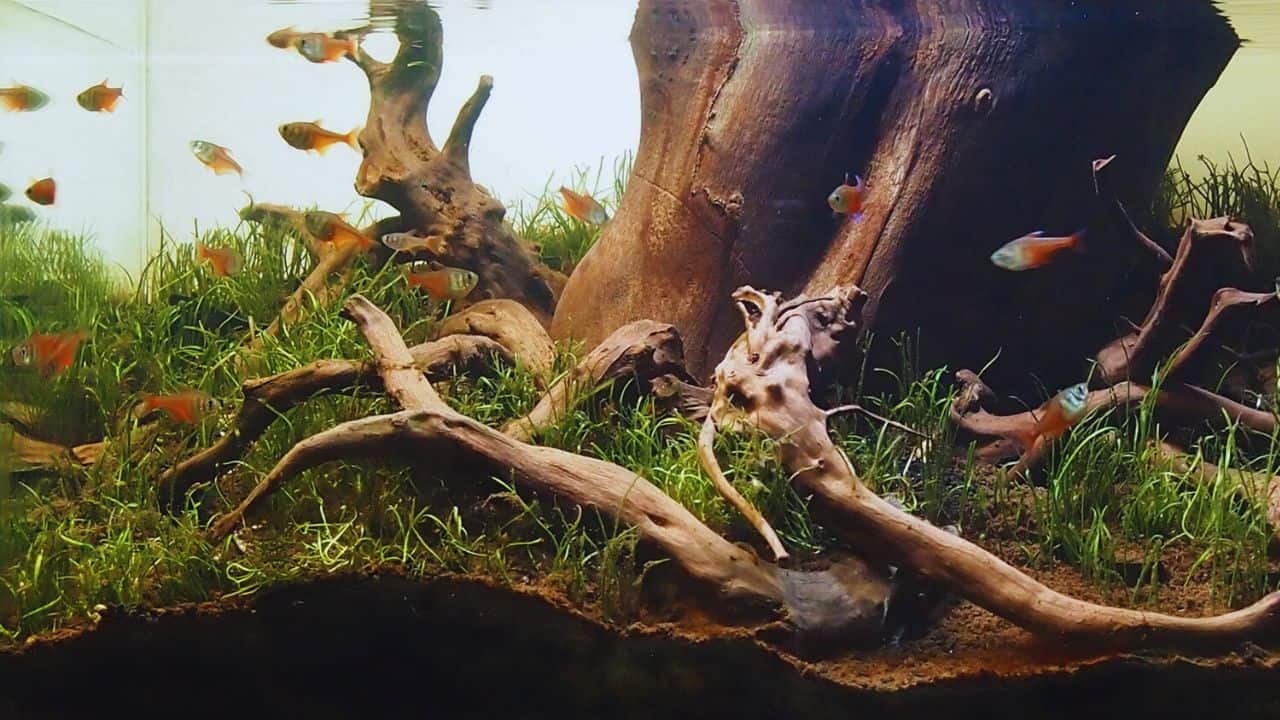
A biotope aquarium is more than just a fish tank; it is a carefully crafted replica of a specific natural habitat. Unlike typical community aquariums that mix species from different regions, a biotope aquarium focuses on accuracy, aiming to replicate the natural environment where the fish and plants typically occur.
This includes the water chemistry, décor, lighting, and even the water flow. For aquarists who value authenticity and natural behavior, biotope aquariums offer a deeper connection to aquatic ecosystems and a more immersive fishkeeping experience.
The Concept of Natural Habitats
In nature, every aquatic environment has unique characteristics shaped by geography, climate, and biology. A biotope aquarium represents one of these environments on a small scale. It may replicate a slow-moving Amazonian blackwater stream filled with leaf litter or a rocky African Rift Lake shoreline with clear, mineral-rich water.
Accuracy matters because fish have evolved to thrive in very specific conditions. When these conditions are recreated correctly, fish display more natural colors, behaviors, and breeding patterns.
What Makes a Biotope Aquarium Different from a Regular Aquarium?
A biotope aquarium differs from a regular aquarium in its purpose and design philosophy. While standard aquariums often mix fish and plants from different parts of the world based on appearance or availability, a biotope aquarium focuses on recreating a specific natural habitat as accurately as possible. This includes matching the water chemistry, substrate, décor, lighting, and species found in a particular river, lake, or coastal region.
The goal is not just visual appeal, but ecological authenticity. This approach allows fish to display natural behaviors such as schooling, breeding, and territorial interactions. As a result, biotope aquariums often provide a healthier, less stressful environment for aquatic life and offer educational value by showcasing real-world ecosystems.
Read More: Diamond Beach Galveston
Types of Biotope Aquariums
Biotope aquariums can be classified into several types based on the natural environments they aim to replicate, each offering a unique set of visual and biological characteristics. By focusing on a specific ecosystem, such as a river, lake, coastal area, or estuary, these aquariums recreate the conditions that aquatic species experience in the wild.
Differences in water chemistry, substrate, plant life, and resident species define each type, making careful research essential before choosing one. Understanding the various types of biotope aquariums helps aquarists select an ecosystem that matches their experience level, available equipment, and interest in recreating a particular region of the world.
Freshwater Biotopes
Freshwater biotopes are the most popular and accessible. Common examples include:
- Amazon River biotope is known for soft, acidic water, driftwood, and leaf litter.
- African Rift Lake biotopes, such as Lake Malawi or Tanganyika, feature rocky landscapes and alkaline water.
- Southeast Asian stream biotopes often have dense vegetation and gentle water flow.
Marine Biotopes
Marine biotopes are more complex and typically suited for experienced aquarists. These include coral reef environments or mangrove systems that require precise salinity, lighting, and water movement.
Brackish Water Biotopes
Brackish biotopes represent estuaries where freshwater meets seawater. These environments support unique species adapted to fluctuating salinity levels.
Do Biotope Aquariums Require Special Equipment?
Biotope aquariums do not always require specialized equipment, but they do require the right equipment for the specific habitat being recreated. For example, some biotopes need strong water flow to simulate river currents, while others require soft lighting to mimic shaded forest streams.
Water heaters, filtration systems, and lighting must be chosen to match natural conditions rather than generic aquarium standards. In certain cases, additional items such as reverse osmosis units, buffers, or specific substrates may be necessary to achieve accurate water parameters. The emphasis is not on expensive gear, but on selecting tools that support environmental realism and long-term stability.
Benefits of a Biotope Aquarium
One of the main advantages of a biotope aquarium is improved fish welfare. Fish kept in conditions close to their natural habitat experience less stress and behave more naturally.
Biotope aquariums are also highly educational, offering insight into ecosystems from around the world. Visually, they provide a raw and realistic beauty that differs from heavily stylized aquascapes. Additionally, they promote awareness of habitat conservation and responsible fishkeeping.
Planning a Biotope Aquarium
Successful biotope aquariums start with research. Choosing a specific river, lake, or region is essential before selecting equipment or livestock. Aquarists must study native species, water parameters, seasonal changes, and environmental features.
Tank size should match the natural swimming behavior of the chosen fish, while heaters, filters, and lighting should support the habitat rather than overpower it.
READ: Best Things to Do in Japan
Designing the Aquarium Layout
The layout should mimic the natural environment rather than focus on symmetry or decoration. Substrate choices may include fine sand, gravel, or decomposing leaf litter. Hardscape elements like driftwood, rocks, or roots help recreate riverbeds and shorelines.
Some biotopes include live plants, while others, such as certain African lakes or blackwater environments, are naturally plant-free. Creating shaded areas, open swimming spaces, and hiding spots adds realism and comfort for the fish.
Are Biotope Aquariums Suitable for Beginners?
Biotope aquariums can be suitable for beginners, but the level of difficulty depends largely on the chosen biotope. Some environments, such as slow-moving freshwater streams or Amazonian blackwater setups with hardy species, can be relatively forgiving and easy to maintain. However, other biotopes, like African Rift Lakes or marine coral reefs, require precise water chemistry, specialized equipment, and more experience.
Beginners must be willing to research thoroughly and resist the temptation to cut corners by adding incompatible species. Starting with a simple, well-documented biotope and gradually gaining experience can make the learning process enjoyable rather than overwhelming.
How Important is Accuracy in a Biotope Aquarium?
Accuracy is a core principle of a biotope aquarium, but it exists on a spectrum. Some aquarists aim for strict authenticity, replicating a specific location down to the plant species and seasonal changes. Others adopt a more flexible approach, focusing on regional accuracy rather than exact replication.
While perfect accuracy is not always possible due to availability and budget constraints, maintaining consistency within the chosen ecosystem is crucial. Mixing species from different continents or using décor that does not occur naturally can undermine the purpose of the biotope. Even moderate accuracy can significantly improve fish health and educational value when compared to generic aquarium setups.
Selecting Fish and Other Inhabitants
Species selection is one of the most important aspects of a biotope aquarium. Fish should come from the same geographical region and preferably the same body of water. Overcrowding should be avoided, as natural habitats rarely support dense populations.
Adding invertebrates such as shrimp or snails should only be done if they are native to the biotope. Ethical sourcing and captive-bred specimens are strongly encouraged.
Read More: What to do in London
Water Chemistry and Filtration
Replicating water chemistry is essential for long-term success. This includes maintaining correct pH, hardness, temperature, and mineral content. Filtration should provide appropriate flow without disrupting the natural feel of the environment.
In some biotopes, elements like tannins from leaves or wood are beneficial and should not be removed entirely. Lighting should match the natural brightness of the habitat, which is often softer than standard aquarium lighting.
Maintenance and Long-Term Care
While biotope aquariums can be stable, they still require consistent maintenance. Regular water testing and partial water changes help maintain water quality. Feeding should reflect the natural diet of the fish, whether that includes insects, algae, or plant matter.
Observing fish behavior is key to identifying potential issues early and ensuring the environment remains balanced.
Common Challenges and Mistakes
One common mistake is mixing species from different regions for convenience or appearance. Another is prioritizing aesthetics over ecological accuracy. Beginners may also underestimate the research required or choose a biotope that exceeds their experience level.
Budget constraints and limited availability of authentic materials can also pose challenges, but compromises should be made carefully to maintain realism.
Are Biotope Aquariums Harder to Maintain than Other Aquariums?
Biotope aquariums are not necessarily harder to maintain, but they do require a different mindset. Because they are designed to replicate stable natural systems, well-established biotopes can actually be quite balanced and predictable. Maintenance routines focus on preserving natural water chemistry rather than constant adjustments.
However, challenges may arise when replicating extreme conditions, such as very soft acidic water or high mineral content. Regular observation, water testing, and research are essential. Aquarists who enjoy learning about nature and maintaining ecological balance often find biotope aquariums deeply rewarding rather than difficult.
Read Also: Best Things to Do in Osaka
Biotope Aquarium vs. Aquascape Aquarium
While both styles are visually appealing, they serve different purposes. Biotope aquariums focus on ecological accuracy and natural behavior, while aquascape aquariums emphasize artistic design and creative freedom.
Choosing between the two depends on whether the aquarist values realism or artistic expression more strongly.
| Aspect | Biotope Aquarium | Aquascape Aquarium |
|---|---|---|
| Main Purpose | Recreates a specific natural aquatic habitat as accurately as possible | Focuses on artistic design and visual appeal |
| Design Approach | Nature-based and ecologically accurate | Art-based and creatively expressive |
| Geographical Focus | Strictly follows a specific region or ecosystem | The geographic origin of species is usually ignored |
| Fish Selection | Species from the same natural habitat only | Chosen for appearance and general compatibility |
| Plant Selection | Native plants or no plants if none exist naturally | Selected for color, texture, and layout design |
| Aquarium Layout | Mimics natural environments like rivers, lakes, or shorelines | Designed using artistic principles such as balance and focal points |
| Water Parameters | Matched closely to natural habitat conditions | Optimized mainly for plant growth and stability |
| Lighting Style | Natural, often subdued to match real environments | Bright, high-intensity lighting |
| Fish Behavior | Encourages natural behaviors and breeding | Behavior is secondary to visual harmony |
| Maintenance Style | Focuses on ecological balance and stability | Requires frequent trimming and aesthetic maintenance |
| Difficulty Level | Varies from moderate to advanced | Moderate to advanced |
| Educational Value | High—teaches ecology and conservation | Moderate—focuses on aquascaping techniques |
| Ideal For | Aquarists interested in realism and natural habitats | Aquarists interested in creativity and artistic expression |
Conclusion
A biotope aquarium is a rewarding project that combines science, artistry, and respect for nature. By recreating a specific natural habitat, aquarists gain a deeper appreciation for aquatic ecosystems and the species that inhabit them. Whether simple or complex, a well-planned biotope aquarium offers a unique and meaningful way to bring a piece of the natural world into your home.