
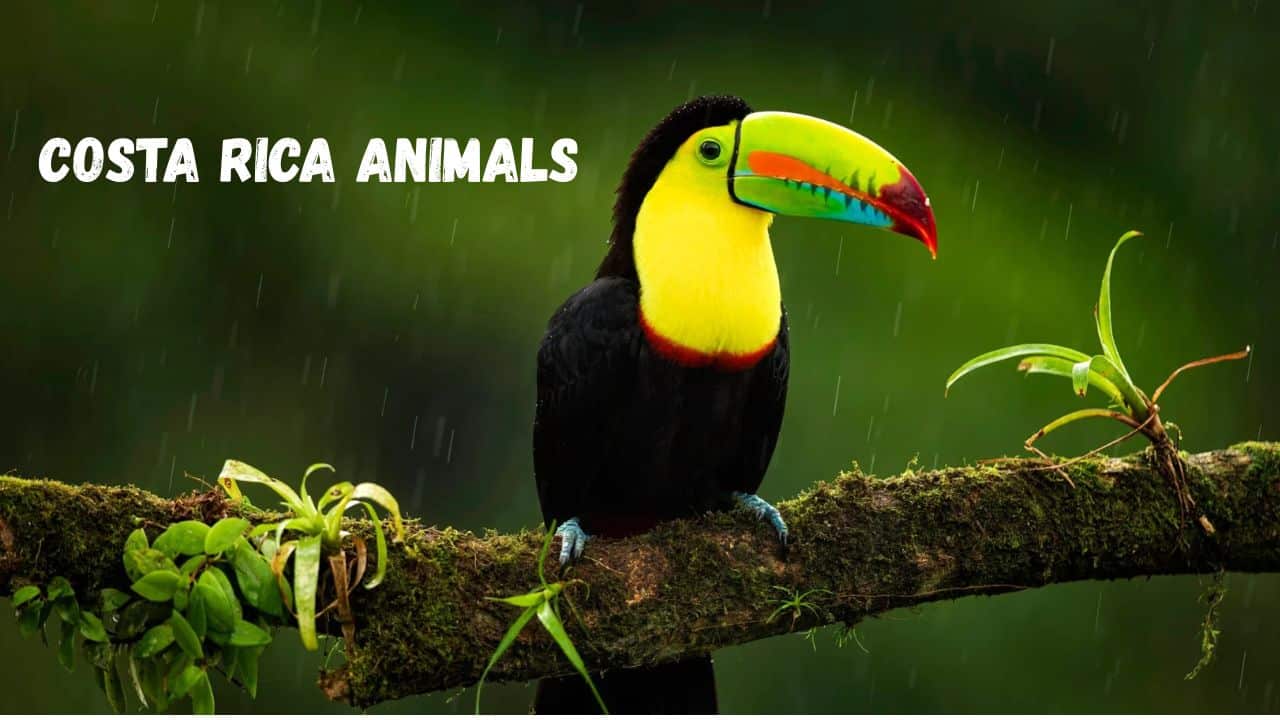
Costa Rica is often described as a living showcase of nature’s brilliance, and for good reason. Despite its small size, this Central American nation is home to nearly 5% of the world’s biodiversity. Its lush rainforests, volcanic slopes, cloud forests, and tropical coastlines create the perfect environment for an extraordinary variety of animals.
Whether you’re a wildlife enthusiast, a photographer, or a curious traveler, Costa Rica offers unforgettable encounters with species found nowhere else on Earth. This article explores the country’s remarkable Costa Rica animals and the best places to discover them in their natural habitats.
The Biodiversity of Costa Rica
Costa Rica’s wildlife thrives thanks to its dramatic range of ecosystems. From dense lowland jungles and mist-covered cloud forests to mangrove swamps and vibrant coral reefs, the country supports thousands of species.
Nearly a quarter of Costa Rica’s land is designated as national parks or protected reserves, safeguarding habitats and ensuring animals can flourish. This commitment to conservation has made Costa Rica a global model for environmental protection. Visitors who explore its parks often encounter animals just a few feet away, revealing how deeply interconnected wilderness and wildlife are within the country’s natural landscape.
What Animals is Costa Rica Most Famous for, and Where Can I See Them?
Costa Rica is famous for a wide variety of animals, and many visitors wonder which ones they’re most likely to encounter during their trip. Some of the country’s most iconic species include sloths, monkeys, colorful birds like toucans and scarlet macaws, vibrant frogs, and sea turtles. These animals can be found in different regions depending on their preferred habitats. For example, sloths are commonly seen in Manuel Antonio and the Caribbean coast, while monkeys live in most national parks.
Bird enthusiasts flock to Monteverde and the central highlands to spot quetzals and hummingbirds. If marine wildlife is your focus, coastal parks like Tortuguero, Cahuita, and the Osa Peninsula offer unforgettable encounters. Knowing which animals live where can help you plan an itinerary that maximizes your chances of seeing Costa Rica’s most beloved wildlife.
Read More: Best Places to Stay in Costa Rica
Iconic Mammals of Costa Rica
Iconic mammals of Costa Rica showcase the country’s incredible biodiversity, offering visitors unforgettable encounters with sloths, monkeys, big cats, and other remarkable species that thrive within its lush forests and protected ecosystems.
Sloths (Two-Toed & Three-Toed)
Sloths are among Costa Rica’s most beloved animals, known for their slow movements, gentle faces, and tree-dwelling lifestyles. The country is home to both two-toed and three-toed species, each with distinct features and behaviors.
Sloths spend most of their lives resting in rainforest canopies, descending to the ground only occasionally. Popular places to spot them include Manuel Antonio, Cahuita, and Arenal. Their calm nature makes them easy to observe, creating magical moments for wildlife lovers.
Monkeys
Costa Rica hosts four monkey species: howler, capuchin, spider, and squirrel monkeys. Each has its own charm. Howlers are known for their booming calls, while spider monkeys are famous for their incredible agility. Capuchins often approach tourists curiously, and squirrel monkeys add color with their expressive faces. From coastal jungles to inland reserves, monkeys are commonly seen throughout the country.
Jaguars, Pumas and Ocelots
While big cats are elusive, Costa Rica remains one of the best places in Central America to support their conservation. Jaguars, pumas, and ocelots roam the deep rainforests of Corcovado and Tortuguero. Though sightings are rare, their presence highlights the country’s healthy ecosystems. Strict protection measures help preserve these apex predators and the balance they maintain in the wild.
Colorful Birds
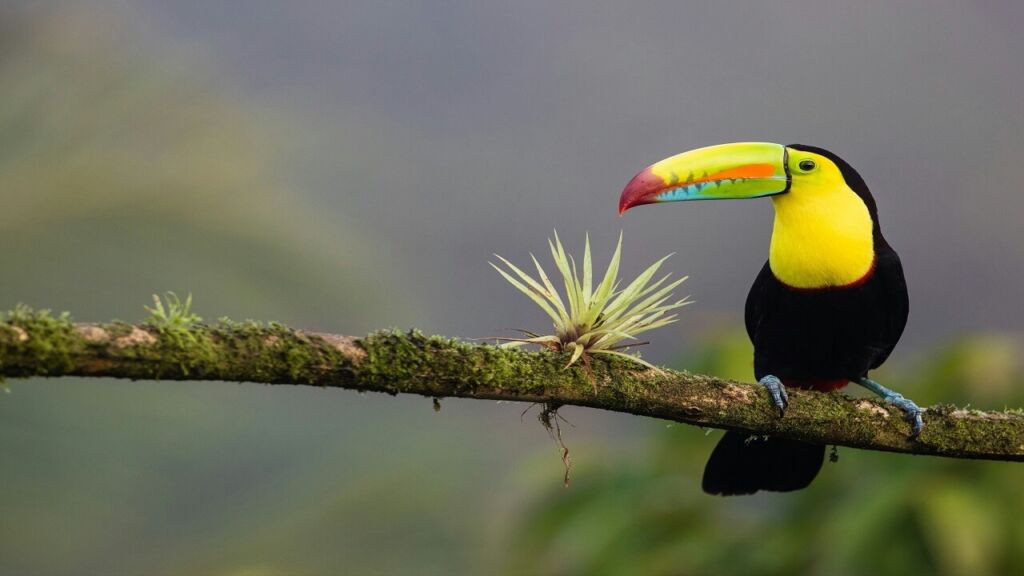
Costa Rica’s colorful birds are a dazzling highlight of the country’s biodiversity, showcasing vibrant plumage, unique behaviors, and melodic calls that fill rainforests, cloud forests, and coastlines with unforgettable natural beauty.
Toucans
Toucans, with their oversized, colorful beaks, are among Costa Rica’s most recognizable birds. Several species live across the country, often spotted in fruiting trees near rivers and forests.
Scarlet Macaws
Once endangered, scarlet macaws are now a conservation success story. Their loud calls and brilliant red, yellow, and blue feathers make them easy to identify. They thrive particularly along the Pacific coast.
Hummingbirds
Costa Rica is a hummingbird paradise, with dozens of species darting through cloud forests and gardens. Their iridescent feathers and rapid wingbeats are mesmerizing to watch.
Resplendent Quetzal
The resplendent quetzal, known for its emerald feathers and long tail plumes, is one of Costa Rica’s most sought-after bird sightings. Monteverde and the Talamanca mountains are prime spots for encounters.
READ: Why Travel to Costa Rica in 2024?
Reptiles and Amphibians
Reptiles and amphibians in Costa Rica are some of the country’s most fascinating creatures, thriving in its rainforests, wetlands, and coastal regions. These vibrant species showcase the nation’s incredible biodiversity and ecological richness.
Iguanas and Basilisks
Green iguanas and basilisks, often called “Jesus Christ lizards” for their ability to run on water, are common sights along riverbanks and forest trails.
Frogs
Costa Rica’s rainforests host an impressive array of frogs, including the iconic red-eyed tree frog and various colorful poison dart frogs that thrive in humid environments.
Snakes
The country is home to both harmless species and venomous ones like the fer-de-lance and bushmaster. While snakes tend to avoid humans, awareness and caution are important in dense forests.
Sea Turtles
Costa Rica is a major nesting ground for sea turtles. During certain months, visitors can witness nesting events featuring green sea turtles, leatherbacks, and hawksbills along both coasts.
Marine Wildlife
Costa Rica’s waters are just as rich as its jungles. Dolphins, manta rays, and whales, especially humpbacks, frequent both the Caribbean and Pacific coasts. Colorful reefs thrive around the Cahuita and Guanacaste regions, offering ideal spots for snorkeling and diving. Underwater explorers are rewarded with sightings of tropical fish, sea turtles, and occasional reef sharks.
Insects and Arthropods
Beyond its larger wildlife, Costa Rica is also home to countless fascinating insects. The Blue Morpho butterfly, with its shimmering wings, is a highlight of any rainforest walk. Leafcutter ants, known for their organized trails and teamwork, are found almost everywhere. Cloud forests also contain unique insects adapted to high humidity and low light, contributing to the country’s astonishing biodiversity.
Best Places to See Costa Rica Animals

The best places to see animals in Costa Rica showcase the country’s incredible biodiversity, offering unforgettable wildlife encounters across rainforests, cloud forests, wetlands, and coastlines teeming with unique species.
Manuel Antonio National Park
Manuel Antonio National Park is one of the best places to experience Costa Rica animals up close, thanks to its blend of lush rainforest and pristine beaches. This compact yet biodiverse park is famous for easy wildlife viewing, making it ideal for families and first-time visitors. Here, you can spot playful white-faced capuchin monkeys, slow-moving sloths, vibrant iguanas, and dozens of tropical bird species along well-maintained trails.
The park’s dense vegetation and coastal surroundings create an environment where animals thrive year-round. Its accessibility and abundance of wildlife make Manuel Antonio a must-visit destination for nature lovers seeking memorable encounters.
Tortuguero National Park
Tortuguero National Park is often referred to as the “Amazon of Costa Rica,” and it offers some of the richest opportunities to observe Costa Rica’s animals in their natural habitat. This remote region is best explored by boat along winding canals where you may spot manatees, caimans, monkeys, and rare birds.
Tortuguero is also one of the world’s most important nesting sites for sea turtles, particularly green sea turtles that arrive in massive numbers during nesting season. The park’s wetland ecosystems support an extraordinary range of wildlife, making it a paradise for adventurous travelers and wildlife photographers alike.
Monteverde Cloud Forest
Monteverde Cloud Forest is a mystical destination where clouds drift through treetops, and biodiversity flourishes at every turn. It is one of the top places to encounter unique Costa Rica animals, especially rare bird species like the spectacular resplendent quetzal. The cool, misty environment creates an ideal habitat for hummingbirds, frogs, insects, and mammals such as coatis and agoutis.
Elevated hanging bridges and canopy walks allow visitors to explore the forest from multiple levels, making wildlife encounters even more thrilling. Monteverde’s blend of ecological richness and breathtaking scenery attracts nature lovers from around the world.
Corcovado National Park
Corcovado National Park is widely considered the crown jewel of Costa Rica’s wilderness and a sanctuary for some of the most iconic Costa Rica animals. Located on the remote Osa Peninsula, the park protects one of the most biologically intense places on Earth. Visitors may encounter tapirs, all four types of Costa Rican monkeys, scarlet macaws, and even elusive big cats like jaguars and pumas.
Dense primary rainforest, untouched beaches, and vibrant ecosystems make Corcovado a dream destination for serious wildlife enthusiasts. This park offers an authentic, immersive wildlife experience unlike anywhere else in the country.
Arenal & La Fortuna Region
The Arenal and La Fortuna region is a hotspot for adventurous travelers eager to explore volcanoes, waterfalls, and a diverse range of Costa Rica animals. The lush rainforests surrounding Arenal Volcano provide a habitat for colorful frogs, sloths, toucans, monkeys, and a wide variety of reptiles and insects.
Well-marked trails, hanging bridges, and wildlife reserves make animal-viewing accessible and enjoyable for visitors of all ages. The region’s geothermal activity also adds unique natural features like hot springs, making it a perfect combination of adventure, relaxation, and wildlife exploration.
Read Also: When is the Worst Time to Visit Costa Rica?
Responsible Wildlife Viewing
Costa Rica prioritizes ethical wildlife encounters. Visitors are encouraged to maintain distance, avoid feeding animals, and choose accredited, eco-friendly tour operators. Observing wildlife responsibly protects ecosystems and ensures that animals remain healthy and wild. Travelers who respect nature help preserve Costa Rica’s world-renowned biodiversity for future generations.
Tips for Wildlife Spotting
The best times for wildlife viewing are early morning or late afternoon when animals are most active. Bringing binoculars, a lightweight jacket, insect repellent, and a good camera will enhance the experience. Because Costa Rica’s weather can change quickly, preparing for both rain and heat ensures a comfortable outing. Quiet movement and patience often lead to the most rewarding sightings.
Is It Easy to See Wildlife in Costa Rica Without a Guide?
Many travelers wonder whether they can spot Costa Rica animals on their own or if they need a professional guide. While Costa Rica is rich in wildlife, and animals often appear near trails, having a guide can significantly enhance your experience. Trained naturalists know how to listen for clues, identify movement in dense vegetation, and spot well-camouflaged species, such as frogs, lizards, sloths, and birds. They also carry scopes and binoculars, making faraway animals much easier to observe.
That said, it’s entirely possible to enjoy self-guided wildlife viewing in more accessible areas such as Manuel Antonio, Arenal, and some beaches. However, for more elusive species, such as big cats, rare birds, or nocturnal animals, a guide increases both safety and sighting opportunities. Ultimately, you’ll see more and learn more with a guide, but independent wildlife lovers can still enjoy rewarding encounters.
What Time of Day is Best for Seeing Costa Rica Animals in the Wild?
One of the most common questions travelers have is when animals are most active. The best times for wildlife viewing in Costa Rica are early morning and late afternoon, when temperatures are cooler, and animals move around more freely. Birds begin singing at sunrise, making the early hours ideal for spotting toucans, quetzals, hummingbirds, and macaws. Mammals like sloths and monkeys are also more active during these times.
Midday heat often drives animals deeper into the shade, making sightings more difficult. Nighttime is another exceptional period for spotting unique creatures such as frogs, insects, nocturnal mammals, and certain reptiles. Many parks offer guided night walks specifically designed for this purpose. Understanding animal behavior and planning your excursions around their activity patterns can greatly enhance your wildlife experience.
Also Read: How Many People Visit Fast Food Restaurants in Costa Rica?
What Should I Do to Stay Safe While Viewing Wildlife in Costa Rica?
Travelers often wonder how to safely enjoy Costa Rica animals without disturbing them or putting themselves at risk. Costa Rica is generally a safe place to view wildlife, especially in designated national parks where visitors follow marked trails. However, it’s essential to maintain a respectful distance from all animals, even if they seem accustomed to humans.
Feeding wildlife is strictly discouraged, as it disrupts natural behaviors and can lead to aggressive encounters. Wearing closed-toe shoes, watching where you step, and staying aware of your surroundings minimize risks, especially around snakes and insects. If you’re in areas with crocodiles or alongside strong ocean currents, extra caution is required. By following basic safety guidelines and respecting park rules, you can ensure a safe and enjoyable wildlife experience.
What Should I Bring to Maximize My Chances of Spotting Animals in Costa Rica?
Visitors often wonder what gear or essentials they should carry to improve their wildlife-spotting experience. Binoculars are one of the best tools you can bring, as many animals, especially birds, stay high in the treetops. A camera with a zoom lens allows you to capture animals from a safe distance. Wearing neutral-colored clothing helps you blend into the environment, making animals less likely to flee.
Insects are more active in humid environments, so insect repellent is crucial. A lightweight rain jacket is also helpful, as Costa Rica’s weather can shift quickly, especially in rainforests and cloud forests. Finally, patience is key. Wildlife watching often requires standing still, listening closely, and scanning the trees carefully. The more prepared you are, the richer your animal sightings will be.
Conclusion
Costa Rica’s animals are a testament to the country’s rich natural heritage and dedication to conservation. From playful monkeys to rare big cats and dazzling tropical birds, the diversity of wildlife here is unmatched. By exploring responsibly and supporting protected areas, travelers can experience the wonder of Costa Rica’s animals while helping preserve them for generations to come.