
Flight diversions often create concern among travelers, especially when a commercial aircraft suddenly changes course mid-flight. That was the case when Delta Flight DL275 diverted to Los Angeles International Airport (LAX), drawing attention from passengers, aviation followers, and social media users alike.
While unexpected diversions can feel alarming, they are usually precautionary measures designed to protect everyone on board. In the aviation industry, safety always comes first, and pilots are trained to make quick decisions whenever a potential issue arises.
In this article, we’ll break down what happened with Delta Flight DL275, possible reasons behind the diversion, how airlines handle these situations, and what travelers can learn from the incident.
What Happened to Delta Flight DL275?
1. Flight Route and Aircraft Information
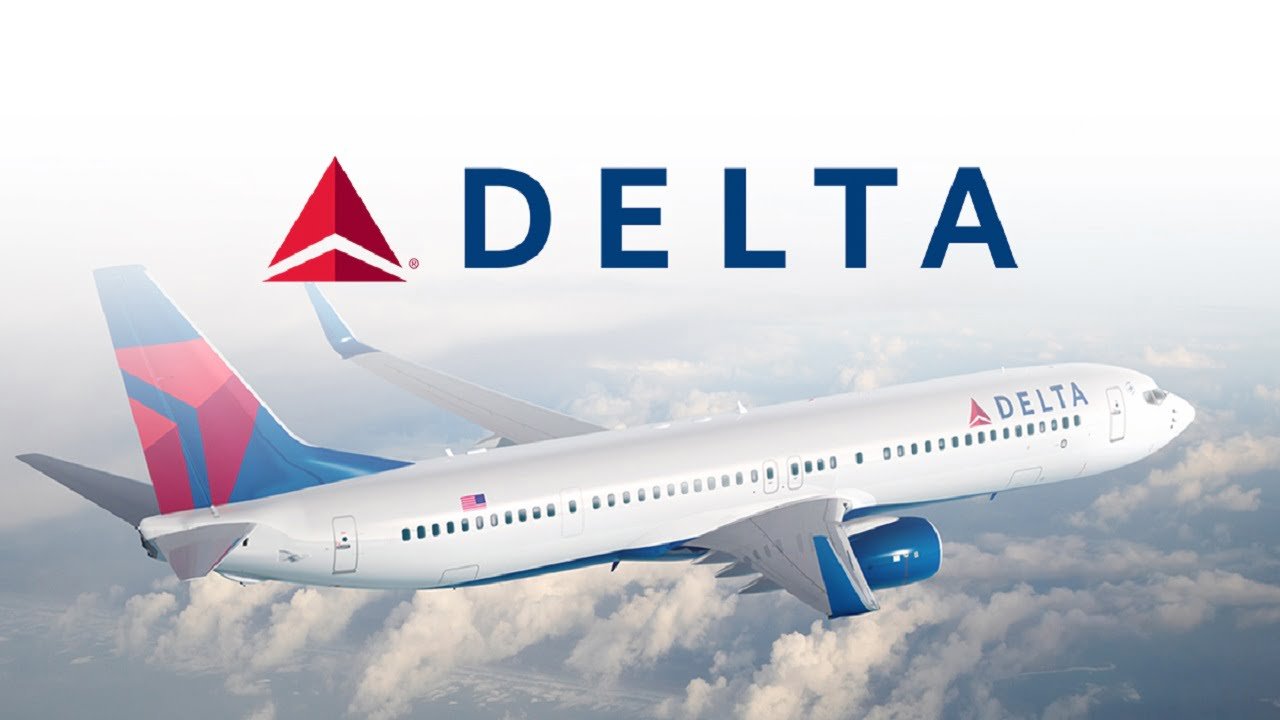
Delta Flight DL275 was operating as a long-haul international route under Delta Air Lines. Like many international flights, the aircraft was carrying passengers on a scheduled journey when the crew reportedly decided to divert the flight to Los Angeles International Airport, commonly known as LAX.
LAX is one of the busiest airports in the United States and frequently serves as a diversion airport because of its large runways, maintenance facilities, and emergency support capabilities.
Although details may vary depending on official reports, the diversion quickly became a topic of discussion online as passengers shared updates and flight tracking websites showed the aircraft changing course.
2. When the Diversion Occurred
The diversion reportedly occurred during the flight rather than before departure, meaning the pilots made the decision while already in the air. In aviation, crews constantly monitor aircraft systems, weather conditions, passenger health situations, and operational concerns throughout the journey.
When a possible issue is detected, pilots evaluate several factors, including:
- Distance to the nearest suitable airport
- Aircraft condition
- Passenger safety
- Weather and runway availability
- Emergency response readiness
In this case, LAX was likely selected because it offered the best combination of operational support and safety resources.
3. Why Delta Flight DL275 Was Diverted to LAX
At the time many diversions occur, airlines often release only limited information until inspections are complete. Diversions can happen for many reasons, including:
1. Mechanical or Technical Concerns
Even minor technical warnings can prompt pilots to divert. Modern aircraft systems are highly sensitive, and crews are trained to treat any unusual indication seriously.
2. Medical Emergencies
Sometimes a passenger or crew member requires urgent medical attention, forcing the aircraft to land at the nearest major airport.
3. Weather Conditions
Unexpected turbulence, storms, or visibility concerns can also change flight plans.
4. Operational or Safety Precautions
Airlines may divert flights simply out of caution. In commercial aviation, preventing a problem is always better than risking one.
Regardless of the exact reason, diversions are considered standard safety procedures and are far more common than many travelers realize.
Understanding Flight Diversions
What Does “Flight Diverted” Mean?
A flight diversion occurs when an aircraft lands at an airport different from its originally scheduled destination. This does not automatically mean there is a severe emergency.
In fact, many diversions are precautionary decisions intended to avoid potential risks before they become serious.
Pilots are empowered to make diversion decisions whenever they believe it is the safest option for passengers and crew.
Difference Between an Emergency Landing and a Diversion
People often confuse emergency landings with routine diversions, but they are not always the same thing.
| Flight Diversion | Emergency Landing |
|---|---|
| Often precautionary | Usually urgent |
| May involve minor technical issues | Typically involves immediate danger |
| Can be planned calmly | Requires rapid response |
| Common in aviation | Less common |
A diverted flight may still land normally without passengers even realizing the seriousness of the issue.
Why LAX Is Frequently Used for Diversions
Los Angeles International Airport is one of the top diversion airports in North America because it offers:
- Long runways suitable for large aircraft
- Advanced maintenance services
- Strong emergency response teams
- International passenger processing facilities
- Multiple airline support operations
For long-haul flights crossing the Pacific or traveling internationally, LAX is often an ideal alternative landing point.
Passenger Experience During the Diversion
Reactions Onboard
Passengers on diverted flights often experience confusion at first, especially when pilots announce unexpected route changes.
However, flight crews are trained to remain calm and communicate clearly with travelers. In many situations, passengers only become aware of the seriousness after landing safely.
According to common traveler experiences during diversions:
- Cabin crew usually provide updates when possible
- Passengers may remain seated longer after landing
- Emergency vehicles may be visible on the runway as a precaution
- Rebooking information is often provided after arrival
Social media frequently amplifies these incidents as passengers post live updates from the aircraft or terminal.
What Happens After Landing?
After a diverted aircraft lands, several things usually occur:
1. Aircraft Inspection
Maintenance teams inspect the aircraft thoroughly to determine whether it can continue flying safely.
2. Passenger Assistance
The airline works to:
- Rebook passengers
- Arrange accommodations if necessary
- Provide meal vouchers or support
- Coordinate connecting flights
3. Crew Evaluations
Pilots and cabin crew may also undergo operational reviews and reporting procedures following the incident.
Passenger Rights After a Diversion
Passenger compensation depends on:
- The reason for the diversion
- Airline policies
- Local aviation regulations
- Delay duration
If the diversion resulted from weather or safety issues, compensation may be limited because safety-related decisions are generally protected under airline policies.
However, airlines often still provide assistance such as hotel stays, transportation, or meal support.
Delta Air Lines’ Safety Procedures
Delta’s Approach to Passenger Safety
Delta Air Lines emphasizes safety as its top operational priority. Like other major carriers, Delta follows strict protocols established by aviation authorities and aircraft manufacturers.
Pilots receive extensive training for handling:
- Technical warnings
- Weather disruptions
- Emergency procedures
- Medical incidents
- Diversion planning
Commercial airline crews regularly practice these scenarios in simulators throughout their careers.
Aircraft Maintenance Standards
Modern aircraft undergo constant monitoring and inspection. Even small system irregularities can trigger precautionary responses.
Airlines prefer to:
- Divert early
- Inspect thoroughly
- Avoid escalating problems
This cautious approach is one reason commercial aviation remains one of the safest forms of transportation in the world.
Aviation Experts on Flight Diversions
Are Flight Diversions Dangerous?
Not necessarily.
Aviation experts often explain that diversions demonstrate the safety system working correctly. Pilots are encouraged to make conservative decisions whenever uncertainty exists.
In many cases:
- Aircraft land safely without damage
- Passengers are never in actual danger
- The diversion prevents future complications
What may seem dramatic to passengers is often considered routine by airline crews and air traffic controllers.
How Common Are Diversions?
Although diversions are relatively rare compared to the number of daily flights worldwide, they happen often enough that airlines have detailed procedures ready.
Common causes include:
- Weather disruptions
- Mechanical alerts
- Medical situations
- Airport congestion
- Fuel considerations
Most diversions end safely and efficiently.
Social Media and Public Reaction
Why the Incident Drew Attention
The phrase “Delta Flight DL275 diverted LAX” quickly spread online because aviation incidents naturally attract public interest.
Flight tracking websites, passenger posts, and aviation discussion forums often turn diversions into trending topics within minutes.
Travelers today can follow aircraft movements in real time, which increases public awareness of route changes.
The Problem With Online Speculation
One challenge during aviation incidents is misinformation. Early social media reports are not always accurate, and rumors can spread before airlines release official details.
Experts recommend relying on:
- Official airline statements
- Airport announcements
- Trusted news outlets
- Aviation authority updates
Avoid assuming the worst based solely on online speculation.
What Travelers Can Learn From Delta Flight DL275
Stay Calm During Diversions
A diversion does not automatically mean danger. In many cases, the pilots are acting out of caution.
Passengers should:
- Follow crew instructions
- Remain calm
- Avoid spreading rumors
- Wait for verified updates
Cabin crews are trained specifically to manage these situations safely.
Prepare for Unexpected Travel Changes
Frequent travelers know disruptions can happen anytime. It helps to:
- Keep important medications accessible
- Carry chargers and essentials in a carry-on
- Monitor airline apps for updates
- Have travel insurance when possible
Preparation makes unexpected delays easier to handle.
Frequently Asked Questions (FAQs)
Why was Delta Flight DL275 diverted to LAX?
The flight was diverted as a precautionary safety measure. Airlines may divert aircraft for technical, medical, weather, or operational reasons.
Was anyone injured during the diversion?
Most reported diversions end safely without injuries, though official airline updates provide the most accurate information.
What happens after a diverted flight lands?
The aircraft is inspected, passengers receive assistance, and the airline arranges alternative travel plans if needed.
Are flight diversions common?
They are uncommon compared to total daily flights but still occur regularly enough for airlines to maintain detailed procedures.
Is a diverted flight dangerous?
Not always. Many diversions are precautionary and are made specifically to maintain safety.
Why do airlines choose major airports like LAX?
Large airports offer better maintenance support, emergency services, and passenger handling capabilities.
Final thoughts
The diversion of Delta Flight DL275 to LAX highlights how modern aviation prioritizes passenger safety above all else. While unexpected route changes can feel stressful for travelers, they are often precautionary actions taken by experienced pilots and airline teams.
In most cases, diversions are signs that safety systems are working exactly as intended. From advanced aircraft monitoring to highly trained crews and well-equipped airports like Los Angeles International Airport, the aviation industry is designed to respond quickly and cautiously whenever concerns arise.
For passengers, the best approach during any diversion is to stay informed, remain calm, and trust the procedures that keep air travel among the safest ways to travel worldwide.