
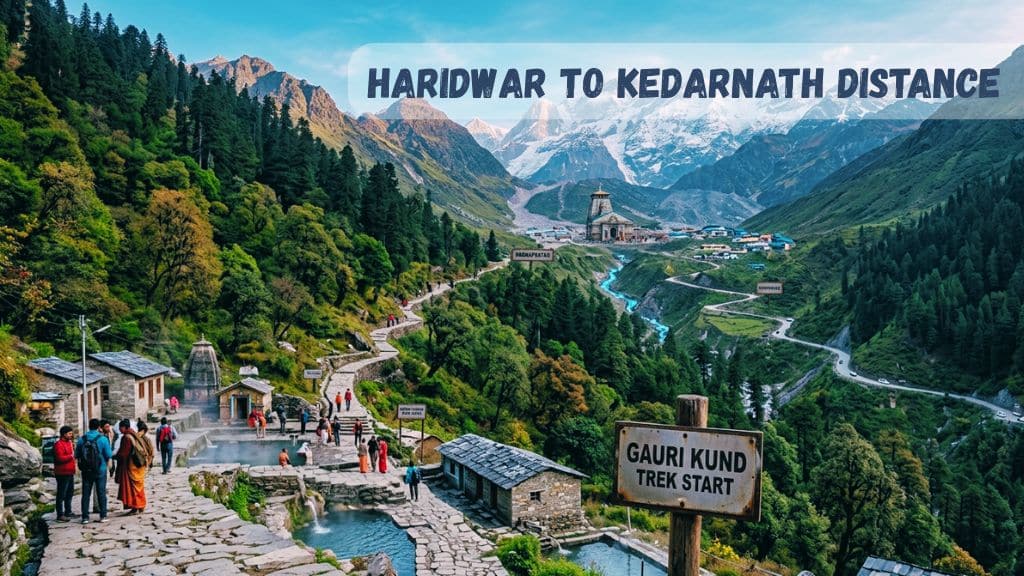
The sacred journey from Haridwar to Kedarnath is more than just a trip—it’s an emotional and spiritual experience that draws millions of pilgrims and travelers every year. Nestled deep in the Garhwal Himalayas, Kedarnath is one of the holiest shrines dedicated to Lord Shiva and a key part of the Char Dham Yatra.
Understanding the Haridwar to Kedarnath distance is essential not only for logistics but also for preparing yourself mentally and physically. The journey combines long road travel, high-altitude trekking, unpredictable weather, and breathtaking scenery. It’s not just about reaching the destination—it’s about embracing the journey itself.
Exact Haridwar to Kedarnath Distance Explained
The Haridwar to Kedarnath distance is a combination of road travel and trekking, which makes it unique compared to typical point-to-point journeys.
Distance by Road (Haridwar to Gaurikund)
The motorable distance from Haridwar to Gaurikund is approximately 220 kilometers. This stretch takes you through winding mountain roads, river valleys, and scenic towns.
Distance by Trek (Gaurikund to Kedarnath)
From Gaurikund, the journey continues on foot for about 16 kilometers. This trek is the final and most spiritual part of the journey.
Total Distance Overview
- Road: ~220 km
- Trek: ~16 km
- Total: ~236 km
However, due to terrain and altitude, this distance feels much longer than it appears on paper.
Best Routes from Haridwar to Kedarnath
Choosing the right route is a crucial part of planning your journey, as the Haridwar to Kedarnath distance involves traveling through winding mountain roads, river valleys, and high-altitude terrain. The most commonly followed path begins from Haridwar and passes through key locations like Rishikesh, Devprayag, Rudraprayag, and Guptkashi before reaching Gaurikund, the starting point of the trek.
Each route offers a unique mix of scenic beauty and spiritual significance, with several holy river confluences and ancient temples along the way. While the primary route is well-maintained and widely preferred, understanding alternative paths and key stopovers can help travelers optimize their journey for comfort, safety, and time efficiency.
Primary Route via Rishikesh
The most preferred and reliable route is:
Haridwar → Rishikesh → Devprayag → Rudraprayag → Guptkashi → Sonprayag → Gaurikund
This route is well-maintained and offers stunning views of river confluences and mountain landscapes.
Key Stops and Their Importance
- Devprayag: The holy confluence of the Alaknanda and Bhagirathi rivers forming the Ganga
- Rudraprayag: Another sacred confluence with mythological importance
- Guptkashi: Known for ancient temples and overnight stays
- Sonprayag: Last vehicle point before Gaurikund
Each stop isn’t just a checkpoint—it adds cultural and spiritual depth to your journey.
Related: Kedarnath Temperature
Travel Options from Haridwar to Kedarnath
Reaching Kedarnath from Haridwar involves a combination of road travel and trekking, and fortunately, there are multiple travel options to suit different budgets, time constraints, and comfort levels. Whether you prefer an economical bus journey, the flexibility of a private taxi, or the speed and convenience of a helicopter ride, each option offers a unique experience while covering the Haridwar to Kedarnath distance.
Choosing the right mode of transport depends on factors like physical fitness, travel time, weather conditions, and personal preference. Understanding these options in detail will help you plan a smoother, safer, and more enjoyable pilgrimage.
By Bus (Budget-Friendly Option)
State-run and private buses operate regularly up to Sonprayag. While economical, they can be crowded and time-consuming.
By Taxi or Private Car (Most Flexible)
Hiring a taxi is the most convenient way to cover the Haridwar to Kedarnath distance comfortably. You can stop for sightseeing, meals, and rest.
By Helicopter (Fastest Option)
Helicopter services operate from Phata, Sirsi, and Guptkashi. This option is ideal for elderly travelers or those short on time.
- Travel time: 10–15 minutes
- Booking recommended during peak season
Trekking from Gaurikund to Kedarnath
The trek from Gaurikund to Kedarnath is the most crucial and spiritually uplifting part of the entire journey. Stretching over approximately 16 kilometers, this trail takes you through breathtaking Himalayan landscapes filled with snow-capped peaks, flowing rivers, and dense forests. While the path is well-developed and maintained, the steady ascent and high altitude make it both physically demanding and mentally rewarding.
Pilgrims and trekkers alike experience a deep sense of devotion and accomplishment as they progress toward the sacred temple. Whether you walk the entire distance or opt for ponies or palkis, this trek is not just about reaching Kedarnath; it’s about embracing the journey, the serenity of nature, and the spiritual energy that surrounds every step.
Trek Overview and Difficulty
The 16 km trek from Gaurikund to Kedarnath is moderately challenging. The path is well-paved but includes steep climbs and high-altitude conditions.
- Average time: 6–8 hours
- Altitude gain: Significant
- Oxygen levels: Lower at higher points
Alternative Options
- Ponies and mules for riding
- Palanquins (palkis) for elderly pilgrims
- Porter services for luggage
These options make the journey accessible to almost everyone.
Related Read: Best Time to Visit Kedarnath
Travel Time Breakdown
| Segment | Time Required |
| Haridwar to Guptkashi | 7–9 hours |
| Guptkashi to Gaurikund | 1–2 hours |
| Trek to Kedarnath | 6–8 hours |
Total journey: 1–2 days
Impact of Weather
Weather plays a huge role. Rain, landslides, or snowfall can significantly delay travel. Always keep buffer time in your plan.
Best Time to Cover the Haridwar to Kedarnath Distance
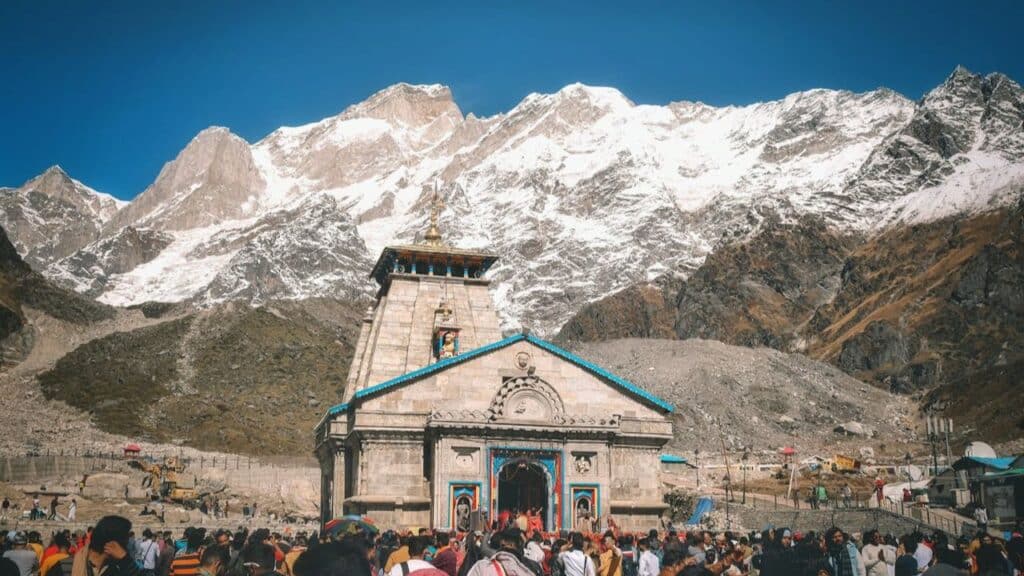
Choosing the right time to travel from Haridwar to Kedarnath can make a huge difference in your overall experience. Since the journey involves both long mountain drives and a high-altitude trek to Kedarnath, weather conditions play a crucial role in safety, comfort, and accessibility. The temple usually opens between April/May and closes around October/November due to heavy snowfall in winter.
Among these months, May to June offers pleasant weather and clear routes, making it ideal for first-time travelers, while September to October provides stunning post-monsoon views with fewer crowds. On the other hand, the monsoon season (July–August) can bring landslides and roadblocks, making travel risky. Planning your journey during favorable weather ensures not only a smoother trip but also allows you to fully enjoy the scenic beauty and spiritual atmosphere along the route from Haridwar.
Ideal Months:
- May to June (pleasant weather, peak season)
- September to October (clear skies, fewer crowds)
Avoid:
- July–August (heavy monsoon, landslides)
- Winter (temple closed due to snow)
Road Conditions and Safety Tips
Mountain travel demands caution. Here are essential tips:
- Start early to avoid night driving
- Carry motion sickness medication
- Check weather forecasts regularly
- Keep emergency contacts handy
- Avoid traveling during heavy rain
Road conditions can vary, especially after monsoon damage.
Detailed Budget for the Journey
| Category | Estimated Cost |
| Transport | $60–$150 |
| Accommodation | $15–$60/night |
| Food | $10–$20/day |
| Trek/Pony | $20–$50 |
| Helicopter | $100–$200 |
Budget varies depending on comfort level and travel style.
Accommodation Options Along the Route
- Budget hotels in Rishikesh & Guptkashi
- GMVN guest houses (government-run)
- Dharamshalas for pilgrims
- Camps near Kedarnath
Booking is highly recommended during peak season.
Food and Facilities on the Route
Food options are simple but sufficient:
- Vegetarian meals (dal, rice, roti, सब्ज़ी)
- Tea stalls and snack points
- Packaged drinking water is available
Medical camps and rest points are available along the trek.
Read More: Kedarnath Temple Opening and Closing Dates
Religious Significance of Kedarnath
Kedarnath Temple is one of the 12 Jyotirlingas and holds immense spiritual value in Hinduism. It is believed that visiting Kedarnath cleanses sins and leads to salvation (moksha).
The temple’s location, surrounded by snow-covered peaks, adds to its divine aura.
Essential Packing List
- Warm layered clothing
- Waterproof jacket
- Trekking shoes with a good grip
- Personal medicines
- ID proof and permits
- Energy snacks and water bottles
Travel light but smart.
What is the Exact Haridwar to Kedarnath Distance?
The exact Haridwar to Kedarnath distance is approximately 236 kilometers, but it is important to understand that this journey is divided into two parts. The first segment is a road journey of around 220 km from Haridwar to Gaurikund, which is the last motorable point. From there, travelers must complete a 16 km trek to reach Kedarnath.
Due to mountainous terrain, winding roads, and altitude changes, this distance often feels longer than expected, and proper planning is essential.
Can I Complete the Journey in One Day?
Technically, it is possible to complete the journey in one day, but it is not recommended for most travelers. The road journey alone can take 8–10 hours, followed by a physically demanding 6–8-hour trek. Attempting everything in a single day can be exhausting and may increase the risk of fatigue or altitude-related issues. Most travelers prefer to break the journey with an overnight stay in places like Guptkashi or Sonprayag to ensure a safer and more comfortable experience.
Read Also: Kedarnath Helicopter Booking
Is Registration Required for the Kedarnath Yatra?
Yes, registration is mandatory for the Kedarnath Yatra. The government of Uttarakhand requires all pilgrims to register either online or at designated registration counters along the route. This system helps authorities track visitors, manage crowds, and ensure safety during emergencies. Without proper registration, entry beyond certain checkpoints may not be allowed, so it’s always wise to complete this step before starting your journey.
Are Mobile Networks Available?
Mobile network connectivity along the Kedarnath route is limited and inconsistent, especially as you move closer to higher altitudes. While you may get decent coverage in towns like Rishikesh and Rudraprayag, signals become weak or unavailable near Gaurikund and Kedarnath.
Some networks like BSNL and Jio may work intermittently, but you should not rely heavily on mobile connectivity. Informing the family in advance and carrying offline maps is highly recommended.
Is The Trek Safe for Beginners?
Yes, the trek from Gaurikund to Kedarnath is generally safe for beginners, provided they are reasonably fit and take necessary precautions. The path is well-maintained, and there are rest stops, medical camps, and food stalls along the way. However, the steep climb and high altitude can be challenging, so it’s important to walk at a steady pace, stay hydrated, and take breaks when needed. Beginners should avoid rushing and consider starting early in the morning for a smoother experience.
Can Senior Citizens Travel Easily?
Yes, senior citizens can complete the Kedarnath journey with the help of alternative travel options. For those unable to trek, services like ponies, palanquins (palkis), and helicopter rides are available from points like Guptkashi and Phata.
These options make the pilgrimage accessible and comfortable for elderly travelers. However, senior citizens should consult a doctor before the trip and choose the travel mode that best suits their health and physical condition.
Conclusion
The Haridwar to Kedarnath distance is not just a measure of kilometers—it’s a journey of faith, endurance, and discovery. From the holy ghats of Haridwar to the majestic Himalayan temple of Kedarnath, every step brings you closer to both nature and spirituality.
With proper planning, the right mindset, and a bit of adventure, this journey can become one of the most memorable experiences of your life.