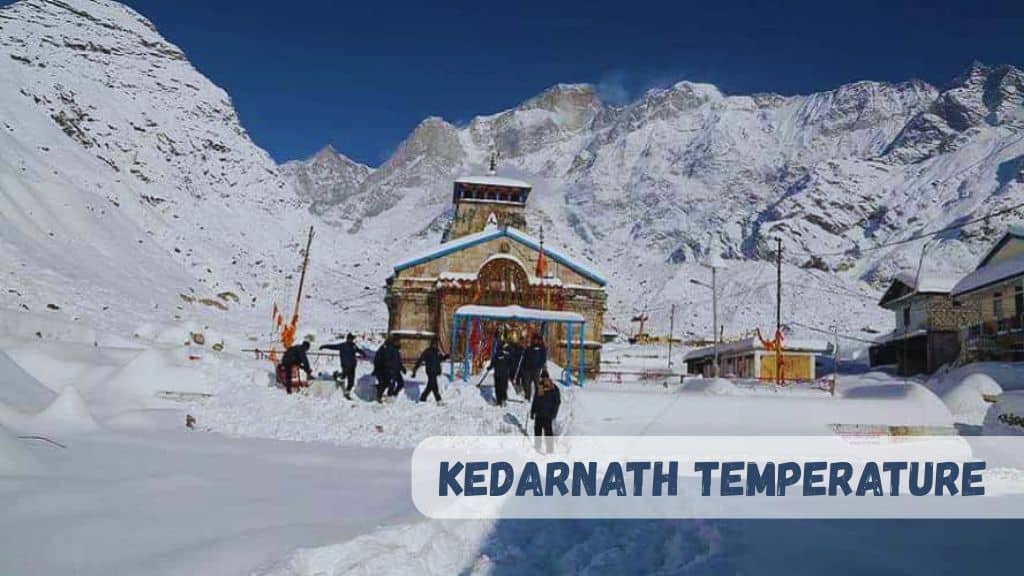
The Kedarnath temperature is one of the most important factors travelers consider before visiting this sacred Himalayan shrine. Located in the Indian state of Uttarakhand, Kedarnath is part of the Garhwal Himalayan range and sits at an altitude of around 3,583 meters. The temple is dedicated to Lord Shiva and attracts thousands of pilgrims every year.
Because of its extreme altitude and mountainous surroundings, the Kedarnath temperature remains cold throughout the year. Even in summer, the weather stays cool, while winters bring heavy snowfall and freezing conditions. Understanding the Kedarnath temperature helps visitors plan their journey safely and comfortably.
Kedarnath Temperature Throughout the Year
The Kedarnath temperature changes drastically depending on the season. The region does not experience extreme heat like the plains; instead, it remains cold and unpredictable.
On average:
- Summer: 5°C to 18°C
- Monsoon: 4°C to 12°C
- Winter: -15°C to 5°C
The Kedarnath temperature is heavily influenced by Himalayan winds and altitude, making it essential for travelers to check forecasts before visiting.
Winter Temperature in Kedarnath
During winter, the Kedarnath temperature drops significantly. From December to February, the region becomes almost inaccessible due to heavy snowfall.
- Temperature range: -15°C to 5°C
- Heavy snow covers the entire region
- Kedarnath Temple remains closed
The Kedarnath temperature in winter is extremely harsh, making survival difficult without proper gear. Most locals migrate to lower regions during this time.
Summer Temperature in Kedarnath
Summer is the most favorable season to experience the Kedarnath temperature. From March to June, the snow begins to melt, and the temple opens for pilgrims.
- Day temperature: 10°C to 18°C
- Night temperature: 5°C to 10°C
The Kedarnath temperature during summer is cool and pleasant, making it the best time for trekking and spiritual visits. Light woolens are still necessary due to chilly nights.
Related: Best Time to Visit Kedarnath
Monsoon Temperature in Kedarnath
The monsoon season (July to September) brings moderate but risky conditions. The Kedarnath temperature remains cool, but heavy rainfall affects travel safety.
- Temperature range: 4°C to 12°C
- Frequent landslides and road blockages
- Slippery trekking paths
Although the Kedarnath temperature is manageable, the region becomes dangerous due to unpredictable rainfall.
Best Time to Visit Kedarnath
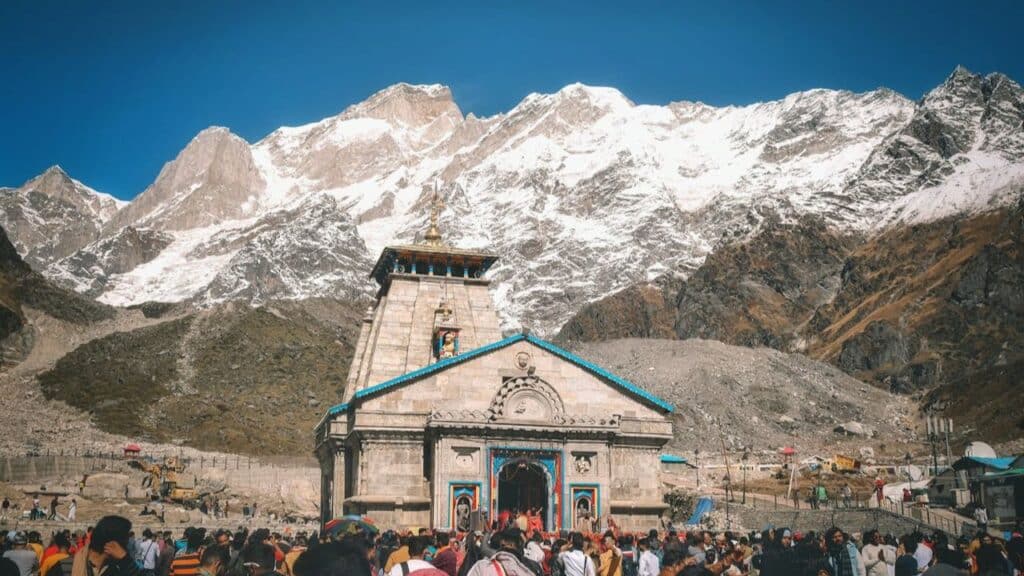
The best time to experience stable Kedarnath temperature conditions is:
- May to June
- September to October
During these months, the Kedarnath temperature is moderate, the skies are clearer, and travel conditions are safer. Pilgrims often prefer these windows for spiritual journeys.
Kedarnath Temperature in the Summer Season
Summer offers the most comfortable Kedarnath temperature. The weather remains cool during the day and chilly at night.
The sunlight is soft due to the altitude, and snow-capped peaks create a breathtaking view. However, even in summer, sudden drops in Kedarnath temperature can occur, especially at night.
Kedarnath Temperature in the Winter Season
Winter brings extreme cold and snowfall. The Kedarnath temperature often falls below freezing, making the region uninhabitable.
Snow can accumulate several feet deep, blocking all access routes. Because of this, the temple is closed, and the idol is shifted to Ukhimath.
Kedarnath Temperature in Monsoon Season
The monsoon significantly affects the Kedarnath temperature and safety conditions. While the temperature remains moderate, rainfall creates serious risks.
Frequent landslides in Uttarakhand make travel dangerous. Pilgrims are advised to avoid visiting during the peak monsoon, despite the stable Kedarnath temperature.
Related Read: Kedarnath Temple Travel Guide
Factors Affecting Kedarnath Temperature
Several factors influence the Kedarnath temperature:
- High altitude (3,583 meters above sea level)
- Himalayan mountain range
- Snow cover and glaciers
- Seasonal wind patterns
- Western disturbances
These factors combine to make the Kedarnath temperature highly unpredictable.
How Temperature Impacts Pilgrimage?
The Kedarnath temperature directly affects pilgrim safety and comfort. Cold weather can lead to:
- Hypothermia risks
- Difficulty in trekking
- Oxygen level reduction
Proper preparation is essential to handle the Kedarnath temperature during the pilgrimage.
Packing Guide Based on Temperature
When planning a trip based on the Kedarnath temperature, carry:
- Heavy woolen jackets
- Thermal wear
- Waterproof shoes
- Gloves and woolen caps
- Raincoats (monsoon season)
Proper clothing ensures safety in changing Kedarnath temperature conditions.
Travel Tips for Kedarnath Weather
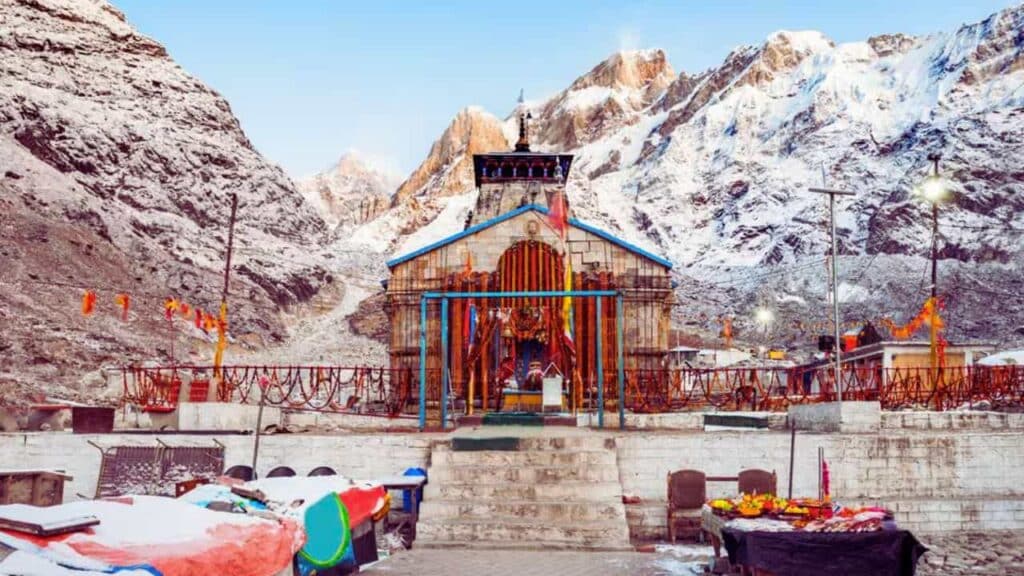
Here are important tips to handle the Kedarnath temperature:
- Always check weather forecasts
- Avoid monsoon travel if possible
- Acclimatize before trekking
- Carry emergency medicines
- Start trekking early in the day
These tips help manage the unpredictable temperature changes in Kedarnath.
Read More: Kedarnath Temple Opening and Closing Dates
Kedarnath Temperature vs Other Himalayan Destinations
Compared to other Himalayan regions, the Kedarnath temperature is colder than that of many tourist hill stations due to its altitude.
| Location | Average Temperature |
| Kedarnath | -15°C to 18°C |
| Manali | -5°C to 25°C |
| Shimla | 0°C to 28°C |
This comparison shows how extreme the Kedarnath temperature can be.
What is the Average Kedarnath Temperature in Summer?
The average Kedarnath temperature in summer ranges between 5°C to 18°C, making it cool and pleasant compared to many other tourist destinations in India. During the daytime, temperatures usually stay around 10°C to 18°C, while nights can get colder, dropping close to 5°C.
Because Kedarnath is located at a very high altitude in the Himalayas, even summer weather feels chilly. Light woolen clothes are still necessary, especially in the mornings and evenings when the air becomes crisp and cold.
How Cold Does Kedarnath Get in Winter?
In winter, Kedarnath becomes extremely cold and almost uninhabitable due to heavy snowfall. The Kedarnath temperature in winter can fall between -15°C to 5°C, with freezing winds making it feel even colder.
Snow covers the entire region, and the famous Kedarnath Temple remains closed during this season. Because of the harsh conditions, most people migrate to lower areas. Traveling or staying in Kedarnath during winter is generally not possible due to blocked roads and extreme cold.
Read Also: Kedarnath Helicopter Booking
Is Kedarnath Safe to Visit During the Monsoon?
Visiting Kedarnath during the monsoon season is generally not considered safe, even though the temperature remains moderate between 4°C and 12 °C. The region experiences heavy rainfall, which often leads to landslides, road blockages, and slippery trekking paths.
These conditions make travel risky for pilgrims. While the weather may not be extremely cold, the unpredictable rains and terrain hazards make the monsoon one of the least recommended times to visit Kedarnath.
When is the Best Time to Visit Kedarnath?
The best time to visit Kedarnath is from May to June and September to October, when the weather is stable, and the Kedarnath temperature is comfortable. During these months, the temperature usually stays between 5°C and 18°C, making trekking and pilgrimage safer and more enjoyable.
The skies are clearer, and the risk of landslides is lower compared to the monsoon season. These months also offer beautiful views of snow-capped mountains and peaceful surroundings.
Does It Snow in Kedarnath?
Yes, Kedarnath experiences heavy snowfall during winter, usually from November to February. The Kedarnath temperature at this time drops below freezing, causing thick snow to cover the entire region.
The temple and surrounding areas become inaccessible due to snow accumulation. Snowfall is one of the main reasons why Kedarnath remains closed in winter. However, this snowy landscape also adds to the natural beauty of the Himalayan region.
What Clothes Should I Carry for Kedarnath?
When visiting Kedarnath, it is important to carry clothing suitable for cold and changing weather conditions. Due to the constantly low Kedarnath temperature, travelers should pack heavy woolen clothes, thermal innerwear, waterproof jackets, gloves, woolen caps, and sturdy trekking shoes.
Even in summer, the weather can turn cold quickly, especially at night. During monsoon visits, a raincoat or waterproof gear is also essential. Proper clothing ensures comfort, safety, and protection against sudden temperature drops in the Himalayan region.
Conclusion
The Kedarnath temperature plays a crucial role in shaping the travel experience to this sacred Himalayan destination. From freezing winters to cool summers, every season offers a different perspective of Kedarnath. Understanding the Kedarnath temperature helps pilgrims plan safely, choose the right time, and prepare adequately for the journey.