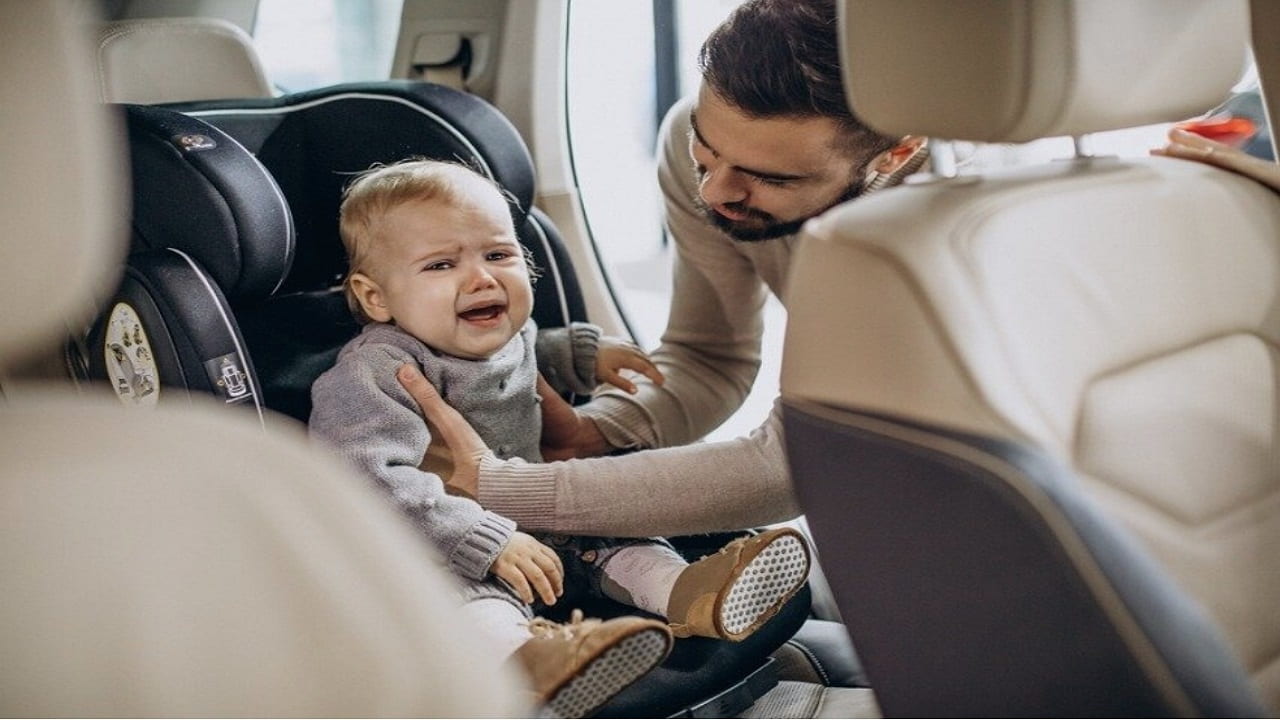
Imagine the joy of cradling your newborn for the first time in your stroller for infant, only to notice your newborn sweating in car seat during those first outings. Meanwhile, a raw, scratchy sore throat might flare up postpartum, turning every swallow into agony. This common issue affects up to one in five new moms, often sparked by hormonal shifts, sleep deprivation, and recovery strains. Yet it doesn’t have to steal your precious bonding time. This guide walks you through why newborn sweating in car seat happens so often, how to spot the real danger signs, and the exact steps to keep your baby cool, comfortable, and safe on every single ride.
Why Newborns Overheat Easily: Understanding Thermoregulation
Newborns struggle more than older kids or adults when it comes to controlling their body temperature. Their small bodies come with thin skin and a bigger surface area compared to their weight, so they pick up heat fast and lose it just as quickly. On top of that, their sweat glands are still growing in, which makes cooling down through sweat not work so well yet.
Babies can’t scoot away from a warm spot or kick off a blanket if they start feeling too hot. When you buckle your newborn into a car seat, you end up handling all the layers, straps, and the space around them, which makes understanding thermoregulation super important for keeping things safe.
A few key reasons babies overheat more easily include:
- Their bodies heat up quick-like in warm spots or closed-up areas.
- They lose heat mostly from their heads and faces, so heavy hats and thick hoods trap warmth that shouldn’t stay.
- They count on you completely to tweak clothing, blankets, and the car or room temperature.
The Car Seat’s Role: Fabrics, Padding, and Restricted Airflow
Car seats focus first on protection, but that smart safety design can trap heat around your baby. Lots of them have thick foam and dense padding to handle impacts, which matters a ton; yet it also cuts down on air moving around the back, neck, and sides. Fabrics that don’t breathe well, like some plastics or synthetic covers, grab onto warmth and moisture instead of letting fresh air flow through.
When a car parks in the sun, the seat shell and those metal buckles get scorched in no time. Dark covers soak up even more heat from the rays. Put your newborn down on that warm spot, and their own body heat piles on, with sweat showing up before long.
Common car seat factors that raise the risk of overheating include:
- Thick, non-breathable padding that hugs right up against the baby’s body.
- Covers from synthetic fabric where air just doesn’t move freely.
- Head supports and strap pads are crowding the neck and shoulders a bit too much.
- A reclined spot that cradles warm air snugly around the head and upper body.
Identifying the Signs: How to Tell if Your Baby is Too Warm
Babies can’t say when they’re uncomfortable, so you learn to read their little cues on their skin and how they act. Some moisture on the neck and back might just be from warm weather, nothing big. But heavy sweating along with other hints can mean overheating or something more serious, like heat illness.
Check for these common signs that your baby feels too warm:
- Skin is hot to the touch, especially the chest, back of neck, or head.
- Red, flushed cheeks or redness all over.
- Damp hair, soaked neckline, or wet spots on clothes by the straps.
- Fast breathing, grunting sounds, or quick chest rises.
- Fussiness, crying that won’t calm down, or extra crankiness out of nowhere.
- Sometimes the baby goes unusually quiet or sleepy, which raises a flag too.
Dressing for the Ride: Essential Guidelines for Car Seat Safety and Comfort
What your baby wears in the car makes a huge difference in staying comfy. New parents often worry about cold, so they pile on layers that trap heat and lead to the newborn sweating in car seat. Less can be way better here.
Simple dressing rules for car rides include:
- Pick light, breathable fabrics like cotton or bamboo that let skin breathe.
- Add just one more light layer than what feels good on you; no heavy coats needed.
- Skip thick hoodies, snowsuits, or bulky jackets in the seat, since they’re unsafe and overheat quickly.
- Go for soft socks over heavy booties unless the cold outside bites really hard.
Adjusting the Environment: Optimizing Car Temperature and Ventilation
Even perfect clothes won’t save the day in a hot, stuffy car. Vehicles heat up crazy fast in sunlight, even on milder days. Prep the car ahead of buckling in your newborn, and you’ll set everyone up better.
Helpful steps to keep the car environment baby-friendly:
- Fire up the engine a few minutes early and let the air conditioning cool things down to comfy, not cold.
- Set the temp like you’d want in light clothes, around that mild room feel.
- Put sunshades on the side windows by the car seat to stop direct sunlight.
- Keep the seat out of spots where sunlight hits the baby’s face or body for too long.
Choosing the Right Gear: Seat Accessories to Avoid and Embrace
Parents see tons of products promising to make car seats cozier with extra padding. Some do help, but others crank up heat risks or mess with safety. Always check if accessories work with the seat and skip anything under the harness.
Items you should generally avoid include:
- Thick, unapproved padding or inserts right under the baby or harness.
- Padded covers wrap full around to block airflow.
- Heavy head supports are not from the original seat maker.
Safer and more helpful choices for comfort and cooling include:
- Breathable, mesh-style liners let air swirl around the baby’s back.
- Light, approved strap covers stop rubbing you newborns skin without extra bulk.
- Sunshades clipped to windows, keeping direct light off your baby.
Hydration and Breaks: Keeping Your Baby Comfortable on Long Trips
Long trips need more thought since your baby stays strapped down awhile. Even with good temps and outfits, sitting that long builds warmth and newborn sweating in car seat. Breaks every so often, let them cool, rest, and feed properly.
Consider these habits for longer drives:
- Stop every 60 to 90 minutes to peek at the baby, feed, and swap diapers.
- Lift the baby out during breaks, head to a shady place, or a cool indoor spot.
- Pat sweat gently from the neck, back, and chest with a soft cloth.
- Offer breast or bottle feeds regularly, as hy
When to Consult a Pediatrician: Recognizing Excessive Sweating
A little sweat in warm spots stays normal for newborns. But if it looks too much or teams up with odd symptoms, pay close attention. Go with your gut as a parent; if it doesn’t feel right, call the pediatrician without hesitation.
Contact your doctor or seek care if:
- Baby sweats heavily even when the car and room stay cool.
- Sweating, fever, vomiting, diarrhea, or breath trouble.
- Newborn acts floppy, weak, too quiet, or tough to rouse.
- A few wet diapers over hours, or the head soft spot sinks in.
- Rash shows, skin pale or grayish, or distress lingers after cooling.
Conclusion
Newborn sweating in car seat happens a lot, but you don’t have to stress over it every time. Get how your baby’s body works with heat, see the car seat’s part in it all, and learn to dress and set them up right, then you hold the reins. Cool the car first each ride, pick breathable clothes and wise gear, plan those breaks regularly, and watch for signs; you build a safe, comfy routine for trips big or small.