
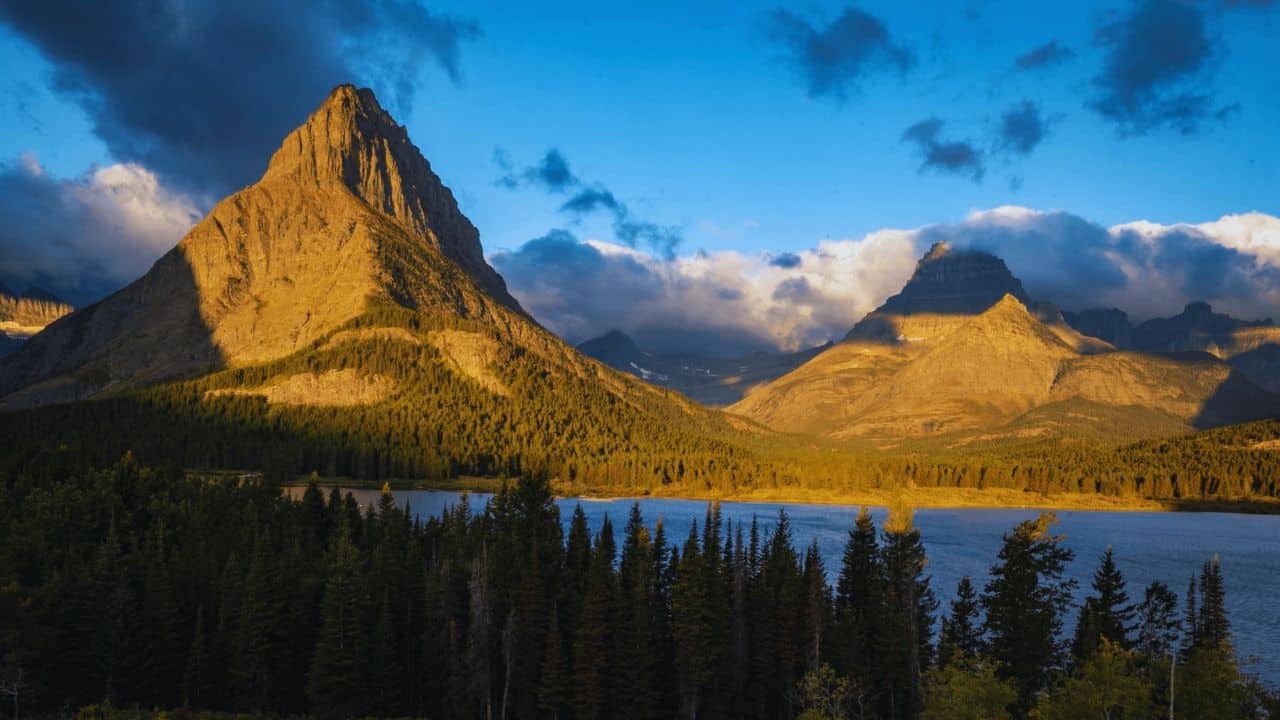
The United States is home to one of the most diverse national park systems in the world. From geothermal wonders and towering mountains to dramatic coastlines and desert canyons, U.S. national parks protect landscapes that feel both vast and deeply personal.
Each park offers a distinct experience, making them ideal destinations for travelers seeking adventure, inspiration, or quiet connection with nature.
How These Parks Were Selected?
The national parks highlighted here were chosen based on scenic beauty, variety of activities, accessibility, and overall visitor experience. Together, they represent the incredible geographic and ecological diversity of the country. Whether you’re planning your first park visit or adding to a growing list, these destinations stand out for their unforgettable impact.
10 Best National Parks to Visit in the U.S.
The United States is home to an extraordinary collection of national parks, each offering unique landscapes, wildlife, and outdoor experiences. From dramatic canyons and towering mountains to lush forests and rugged coastlines, these parks showcase the country’s natural beauty at its finest.
Yellowstone National Park (Wyoming, Montana, Idaho)
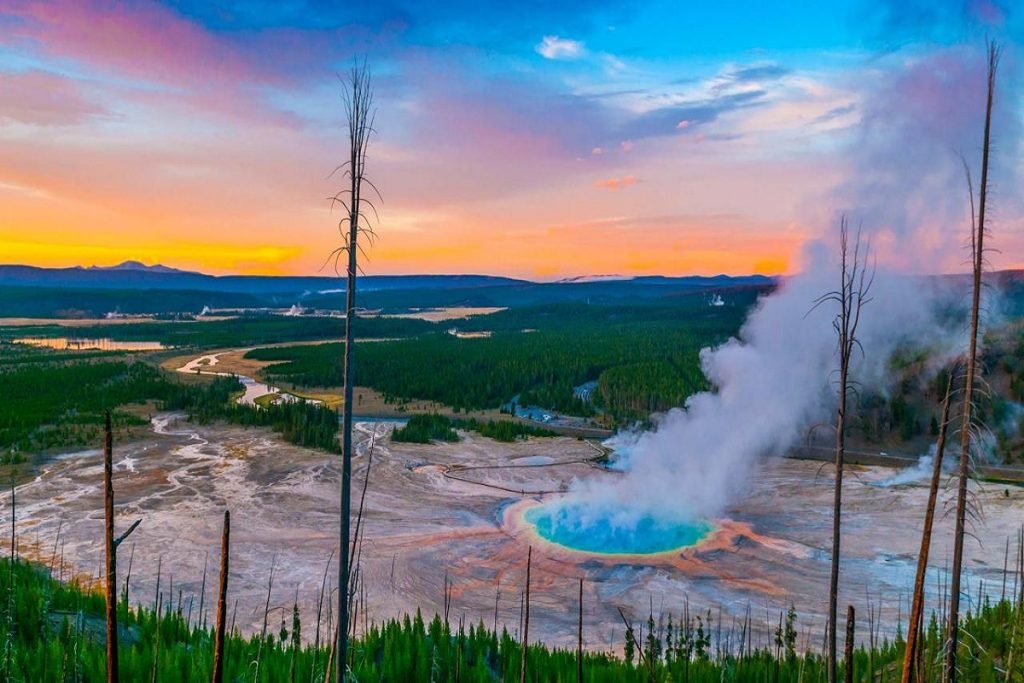
Yellowstone is often considered the crown jewel of the national park system. Famous for its geysers, including Old Faithful, the park also features colorful hot springs, vast meadows, and abundant wildlife such as bison and wolves.
Visitors can explore scenic boardwalks, hike through remote valleys, or simply take in the raw power of the earth beneath their feet. Late spring through early fall is the most popular time to visit.
Related: How to Visit Easter Island?
Yosemite National Park (California)
Yosemite is defined by its dramatic granite cliffs, towering waterfalls, and ancient sequoia trees. Landmarks like El Capitan and Half Dome attract climbers and photographers from around the world, while quieter trails offer peaceful forest walks. Seasonal changes dramatically shape the park, with spring bringing roaring waterfalls and autumn offering fewer crowds and crisp mountain air.
Grand Canyon National Park (Arizona)
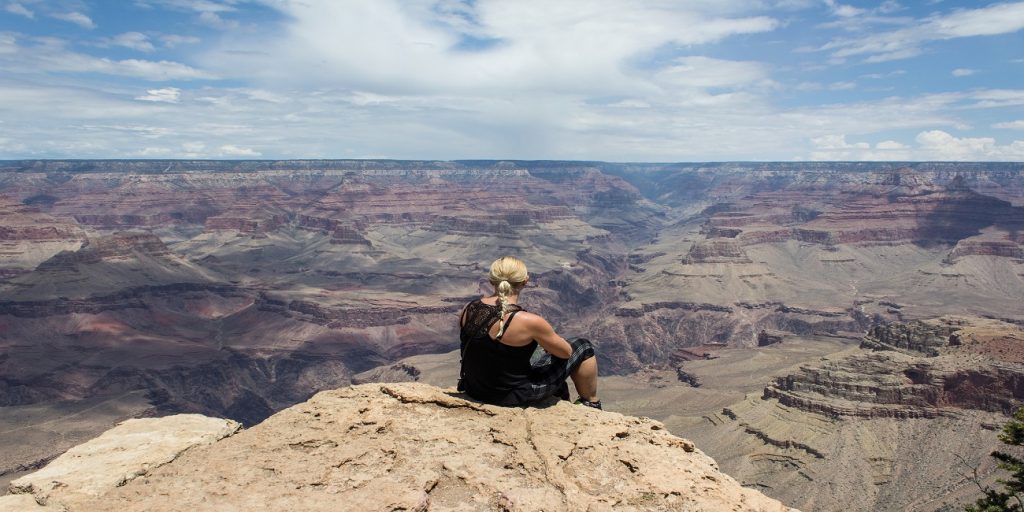
The Grand Canyon is a testament to the power of time and nature. Its immense scale and layered rock formations create views that feel almost unreal. Visitors can admire the canyon from scenic overlooks, hike into its depths, or experience it from the Colorado River below. Sunrise and sunset are especially striking, casting shifting colors across the canyon walls.
Great Smoky Mountains National Park (Tennessee, North Carolina)
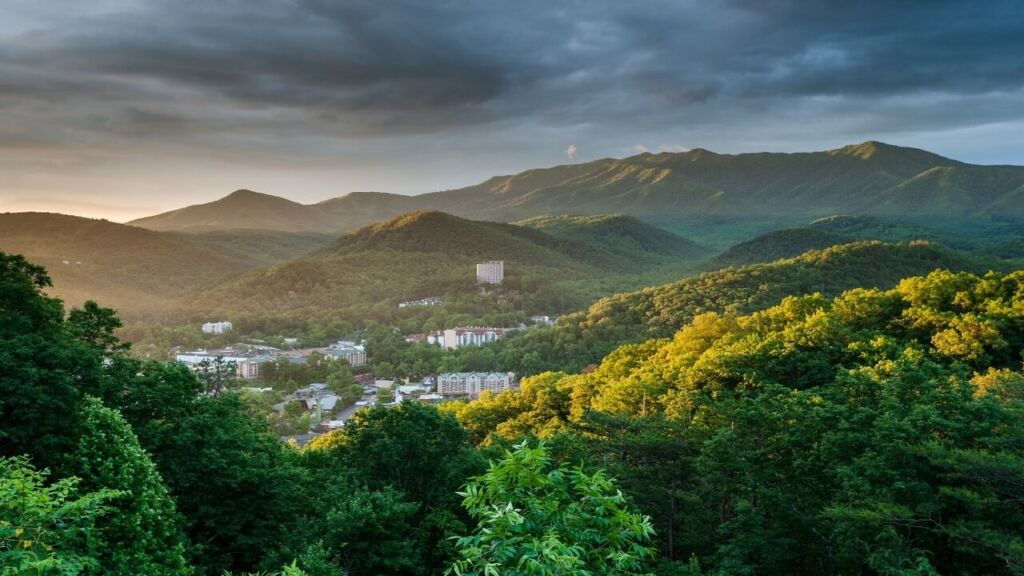
Known for its mist-covered ridges and rich biodiversity, the Great Smoky Mountains National Park is one of the most visited parks in the country. Lush forests, historic cabins, and scenic drives make it accessible for families and casual explorers alike. Spring wildflowers and fall foliage are particularly popular, showcasing the park’s seasonal beauty.
Zion National Park (Utah)
Zion’s towering sandstone cliffs and narrow canyons create a dramatic desert landscape. The park is famous for hikes like Angels Landing and The Narrows, which offer thrilling and immersive experiences. Zion rewards adventurous travelers, but it also provides scenic viewpoints and gentle trails for those who prefer a slower pace. Spring and fall offer the most comfortable weather.
Read More: How to Visit Yukevalo Island?
Rocky Mountain National Park (Colorado)

Rocky Mountain National Park showcases classic alpine scenery, with snow-capped peaks, crystal-clear lakes, and abundant wildlife. Trail Ridge Road offers breathtaking views from above the tree line, while numerous hiking trails cater to all skill levels. Visitors should be prepared for changing weather and high elevation, which are part of the park’s rugged charm.
Acadia National Park (Maine)
Acadia blends mountain landscapes with rugged Atlantic coastline, creating a unique national park experience. Visitors can watch the sunrise from Cadillac Mountain, explore rocky beaches, or bike along historic carriage roads. The park’s compact size makes it easy to explore, while its coastal setting provides a refreshing contrast to inland parks.
Olympic National Park (Washington)
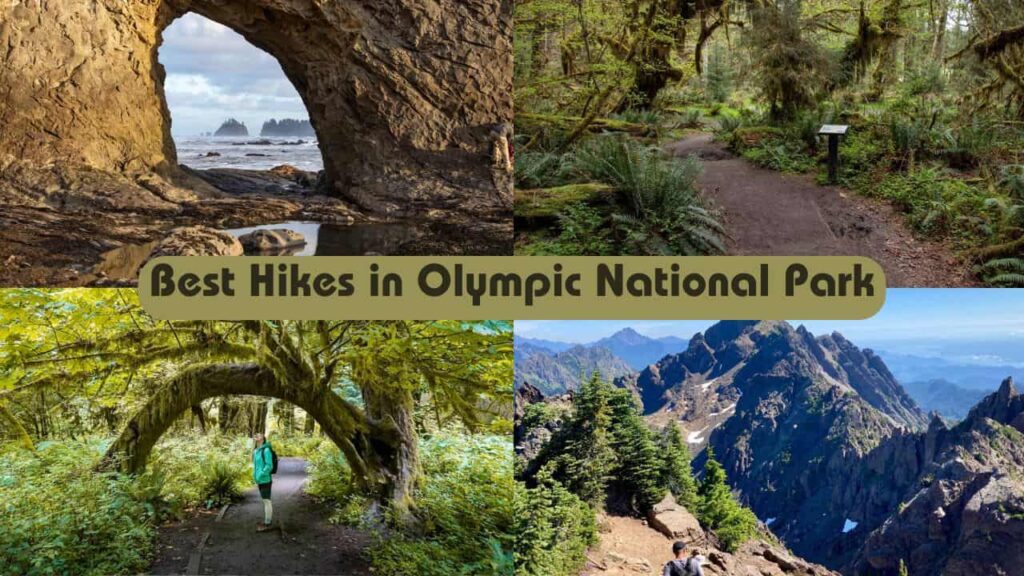
Olympic National Park stands out for its extraordinary diversity. Within a single visit, travelers can experience moss-covered rainforests, alpine peaks, and wild Pacific beaches. This variety makes Olympic ideal for travelers who enjoy changing scenery and flexible exploration. The park is accessible year-round, though weather conditions vary greatly by region.
Read Also: Luxury Cruise Around the Galapagos Islands
What Things to DO in National Parks
There are many exciting and meaningful things to do in national parks, making them ideal destinations for all types of travelers. Here are some of the most popular activities:
Hiking and Walking Trails
National parks offer trails ranging from short, easy walks to challenging backcountry hikes. Hiking allows visitors to explore scenic landscapes, observe wildlife, and experience nature up close.
Wildlife Viewing
Many national parks are home to diverse wildlife, including birds, mammals, and marine life. Early mornings and evenings are often the best times to spot animals in their natural habitats.
Camping and Overnight Stays
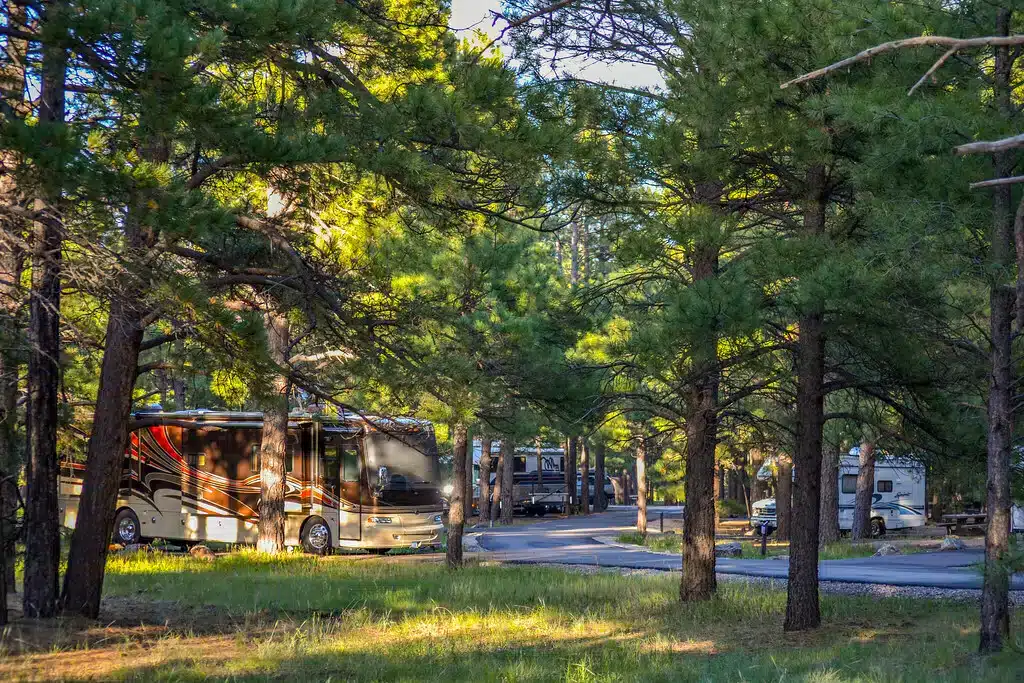
Camping is a classic national park experience. Visitors can choose from developed campgrounds or backcountry sites, enjoying star-filled skies and peaceful surroundings.
Scenic Drives and Viewpoints
For those who prefer a relaxed experience, scenic roads and overlooks provide stunning views without extensive physical effort. These are perfect for photography and sightseeing.
Photography and Sightseeing
National parks are ideal for capturing natural beauty, from mountains and waterfalls to deserts and coastlines. Each park offers unique photo opportunities throughout the day.
Outdoor Adventures
Many parks support activities such as kayaking, canoeing, rock climbing, biking, and horseback riding. These adventures allow visitors to engage more actively with the environment.
Ranger Programs and Educational Activities
Guided walks, talks, and junior ranger programs help visitors learn about wildlife, geology, and park history while encouraging responsible exploration.
Relaxation and Nature Appreciation
Sometimes the best thing to do in a national park is simply slow down—enjoy the silence, watch a sunset, or listen to natural sounds that are rare in everyday life.
These activities make national parks more than just places to visit; they are places to explore, learn, and connect with nature.
Read Also: How to Visit Alcatraz Island
Tips for Visiting U.S. National Parks
Planning can greatly enhance a national park visit. Researching the best seasons, securing permits when needed, and arriving early can help avoid crowds. Visitors should also follow Leave No Trace principles to protect these landscapes for future generations. Purchasing an annual park pass can be a cost-effective option for frequent travelers.
Which U.S. National Parks Are Best for First-Time Visitors?
For first-time visitors, national parks that offer a balance of iconic scenery, accessibility, and well-developed visitor services are ideal. Parks such as Yellowstone, Yosemite, and the Grand Canyon are excellent starting points because they feature clearly marked trails, scenic viewpoints, visitor centers, and a wide range of guided experiences.
These parks allow newcomers to enjoy breathtaking landscapes without requiring advanced outdoor skills, making them both memorable and manageable for an initial national park adventure.
What is The Best time of Year to Visit Popular National Parks in the U.S.?
The best time to visit popular U.S. national parks generally depends on location, but spring and fall are often ideal. During these seasons, weather conditions are typically mild, wildlife activity is high, and crowds are smaller compared to peak summer months.
Spring is especially appealing for waterfalls and wildflowers, while fall offers cooler temperatures and colorful foliage, particularly in mountainous and forested parks.
To Know More: Things to Do in Jeju Island
Which National Parks Offer the Best Hiking and Outdoor Activities?
National parks such as Zion, the Rocky Mountains, Yosemite, andthe Great Smoky Mountains are known for exceptional hiking and outdoor recreation. These parks offer trails suitable for all skill levels, ranging from short, scenic walks to challenging backcountry routes.
In addition to hiking, visitors can enjoy activities like rock climbing, wildlife viewing, kayaking, and photography, making them ideal for outdoor enthusiasts seeking variety and adventure.
Are There Family-Friendly National Parks in the United States?
Yes, many U.S. national parks are well-suited for families traveling with children. Parks like the Great Smoky Mountains, Yellowstone, and Acadia offer easy trails, educational programs, wildlife viewing, and scenic drives that appeal to all ages.
Junior ranger programs and interactive visitor centers help make learning fun while allowing families to explore nature together in a safe and engaging environment.
How Can Travelers Avoid Crowds When Visiting Top U.S. National Parks?
Travelers can avoid crowds by visiting during shoulder seasons, arriving early in the morning, or exploring less popular areas within well-known parks. Choosing weekdays instead of weekends and venturing beyond major viewpoints can significantly improve the experience.
Additionally, researching lesser-known national parks or alternative trails allows travelers to enjoy the beauty of the national park system without the pressure of large crowds.
Conclusion: Choosing the Right National Park for Your Adventure
The best national park to visit depends on your interests, travel style, and sense of curiosity. Whether you’re drawn to dramatic canyons, quiet forests, or coastal views, the U.S. national park system offers something for everyone. Exploring these protected spaces not only creates lasting memories but also deepens appreciation for the natural world they preserve.