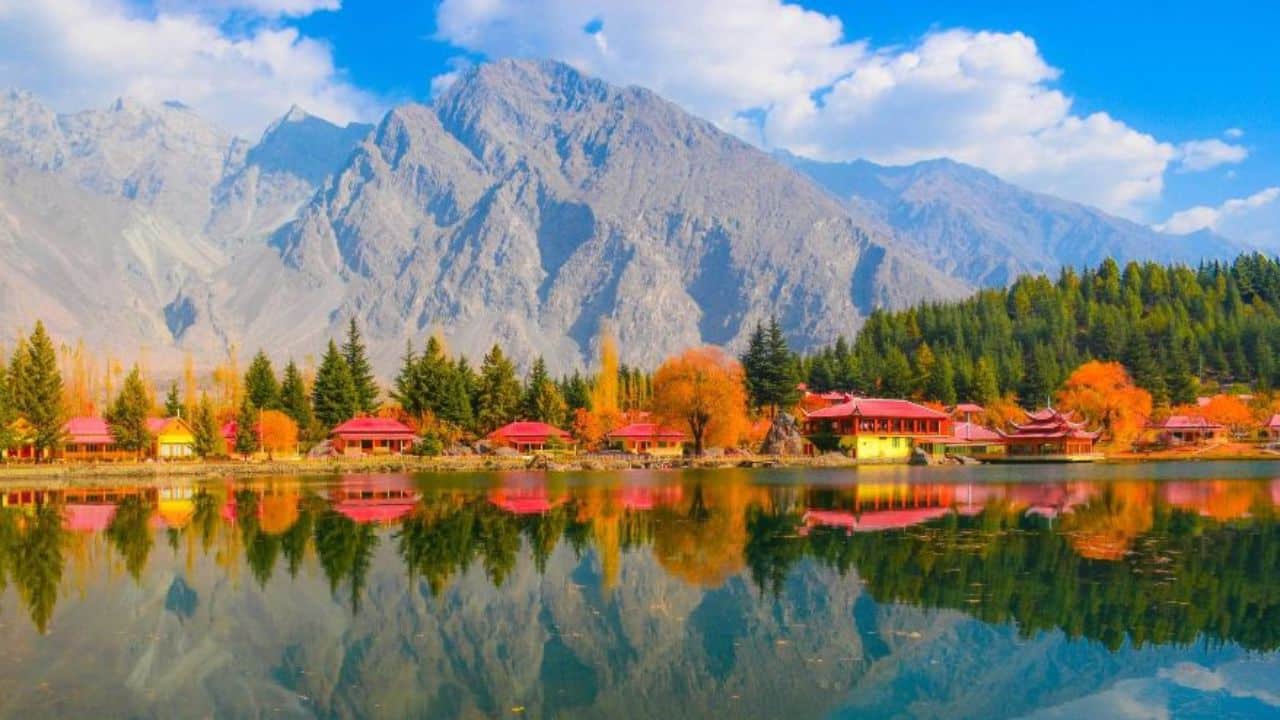
Northern Pakistan is home to some of the most breathtaking mountain landscapes on Earth. A Skardu Hunza tour takes you deep into the heart of Gilgit-Baltistan, where snow-capped peaks, turquoise lakes, ancient forts, and welcoming communities create an unforgettable adventure. Whether you are a nature lover, photographer, honeymooner, or thrill-seeker, this region offers an experience unlike anywhere else in South Asia.
In this complete travel guide, you’ll discover the best places to visit, suggested itineraries, travel costs, the best time to go, and expert tips to plan the perfect Hunza and Skardu trip.
Why Choose a Skardu Hunza Tour?
A combined tour of Hunza and Skardu gives you the best of northern Pakistan in one journey:
- Towering mountains, including views of the K2 region
- Crystal-clear alpine lakes
- Historic forts and cultural heritage sites
- Epic road trips along the Karakoram Highway
- Unique local cuisine and traditions
Both valleys offer distinct experiences. Hunza is known for its culture, terraced fields, and historical forts, while Skardu is famous for dramatic landscapes, cold deserts, and high-altitude lakes.
Top Attractions in Hunza Valley
1. Altit & Baltit Forts
The iconic Baltit Fort stands proudly above Karimabad, offering panoramic views of Rakaposhi and Ultar peaks. Nearby, Altit Fort is even older and provides a deep insight into Hunza’s royal heritage.
These centuries-old forts are must-visit cultural landmarks on any Hunza Skardu trip.
2. Attabad Lake
Formed in 2010 due to a massive landslide, Attabad Lake is now one of the most photographed spots in Pakistan. Its bright turquoise water contrasts beautifully with rugged mountains.
Activities include:
- Boating
- Jet skiing
- Photography
- Lakeside camping
3. Passu Cones
The dramatic cathedral-shaped peaks of Passu Cones create one of the most iconic landscapes in northern Pakistan. Sunrise and sunset are the best times for photography.
4. Khunjerab Pass
Located at the Pakistan-China border, Khunjerab Pass is the highest paved international border crossing in the world. Snow, wildlife, and vast plateaus make this a memorable excursion from Hunza.
Top Attractions in Skardu
1. Shangrila Resort & Lower Kachura Lake
Often called “Heaven on Earth,” Shangrila Resort sits beside Lower Kachura Lake and offers stunning reflections of the surrounding mountains.
2. Shigar Fort
The beautifully restored Shigar Fort is a 17th-century palace that now operates as a heritage hotel. It reflects Baltistani architecture and royal history.
3. Deosai National Park
Known as the “Land of Giants,” Deosai National Park is one of the world’s highest plateaus. In summer, it blooms with wildflowers and offers chances to spot Himalayan brown bears.
4. Satpara Lake
Satpara Lake is a serene high-altitude lake supplying water to Skardu town. The calm blue waters and surrounding peaks make it ideal for a peaceful retreat.
7-Day Skardu & Hunza Tour Itinerary
A 7-day Hunza and Skardu trip is perfect if you want to explore the highlights without feeling rushed. This itinerary balances scenic drives, cultural landmarks, lakes, and mountain landscapes across breathtaking Gilgit-Baltistan.
Day 1: Islamabad to Chilas (Gateway to the North)
- Early morning departure from Islamabad
- Drive along the legendary Karakoram Highway
- Scenic stops at viewpoints and river junctions
- Overnight stay in Chilas
Travel Time: 10–12 hours
Tip: Start early to avoid traffic and reach before dark.
Day 2: Chilas to Hunza Valley
- Continue driving toward Hunza
- Short stop at Rakaposhi View Point
- Check in at the hotel in Karimabad
- Evening visit to the local bazaar
Visit the historic Baltit Fort for sunset views over the valley.
Travel Time: 5–6 hours
Day 3: Explore Hunza (Attabad & Khunjerab Excursion)
- Morning visit to Attabad Lake for boating
- Stop at the iconic Passu Cones
- Optional drive to Khunjerab Pass (Pakistan-China Border)
- Return to Hunza for an overnight stay
Travel Time: 6–8 hours (round trip)
This day is packed with iconic landscapes and photography opportunities.
Day 4: Hunza to Skardu (Scenic Mountain Drive)
- Early departure toward Skardu via Gilgit
- Drive along rivers, valleys, and rugged mountain terrain
- Arrive in Skardu by evening
Travel Time: 6–7 hours
Overnight stay in Skardu.
Day 5: Skardu Local Sightseeing
- Visit Shangrila Resort and Lower Kachura Lake
- Explore Satpara Lake
- Evening walk in Skardu Bazaar
Optional: Short hike to Skardu View Point for panoramic sunset views.
Day 6: Deosai National Park & Shigar Valley
- Full-day excursion to Deosai National Park (summer only)
- Visit Shigar Fort on return
- Explore traditional Baltistani architecture
Travel Time: 6–8 hours total
This is one of the most scenic days of your Skardu Hunza tour.
Day 7: Skardu to Islamabad (Return Journey)
Option 1: Flight to Islamabad (1 hour, weather dependent)
Option 2: Road trip back via Karakoram Highway
If traveling by road, you may need to break the journey with an overnight stay in Chilas.
Travel Tips for a Smooth Skardu & Hunza Tour
Planning ahead can make your journey through the breathtaking landscapes of Gilgit-Baltistan stress-free and unforgettable. Here are essential travel tips to ensure a smooth and enjoyable Skardu and Hunza adventure:
1. Plan According to the Season
The best time to visit is May to October when roads are accessible and attractions like Deosai National Park are open. Winter trips are beautiful but may involve road closures due to snow.
2. Start Road Trips Early
If traveling via the scenic Karakoram Highway, begin your journey early in the morning. Mountain roads are safer and more comfortable to drive during daylight hours.
3. Book Hotels in Advance
Hunza and Skardu are popular tourist destinations, especially during peak summer and autumn seasons. Secure your accommodation near major attractions like Attabad Lake or Skardu city center before arrival.
4. Keep Extra Cash
ATM availability is limited in remote areas. Carry enough cash for fuel, food, entry tickets, and local shopping, especially if visiting places like Khunjerab Pass or rural villages.
5. Pack Smartly
Even in summer, temperatures can drop at night. Bring:
- Warm jackets
- Comfortable walking shoes
- Sunscreen and sunglasses
- Basic medicines
The weather in mountainous regions can change quickly.
6. Hire an Experienced Driver
Mountain routes between Hunza and Skardu require careful driving. If you’re unfamiliar with high-altitude roads, hiring a local driver ensures safety and convenience.
7. Check Weather & Flight Status
Flights to Skardu are weather-dependent. Always keep a backup travel plan in case of delays or cancellations.
8. Respect Local Culture
Both Hunza and Skardu have rich cultural traditions. Dress modestly, ask permission before taking photos of locals, and respect community customs.
9. Stay Hydrated & Move Slowly at High Altitude
Some areas are over 2,500 meters above sea level. Drink plenty of water and avoid overexertion to prevent altitude discomfort.
Final Thoughts
A Skardu Hunza tour is truly the ultimate travel experience in northern Pakistan. From ancient forts and crystal-clear lakes to massive mountains and vibrant culture, this journey through Gilgit-Baltistan promises memories that last a lifetime.
If you’re planning your next adventure, Hunza and Skardu should be at the very top of your bucket list.