
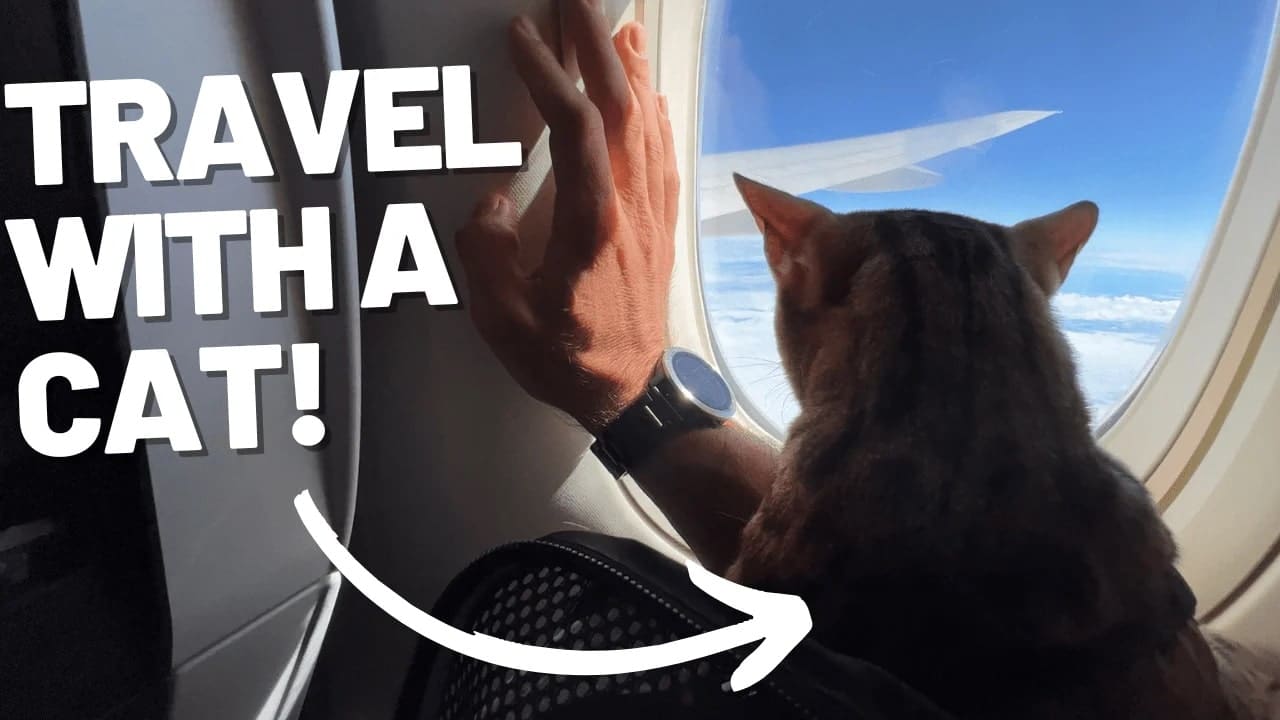
Before Flying Internationally With Your Cat: Stress-Free Travel Tips, begin acclimating your feline to a travel carrier weeks in advance. Introduce short sessions where the carrier door remains open, placing familiar bedding & treats inside. Gradually increase time spent within the crate until your cat views it as a cozy den rather than a confinement. Simulate airline cabin noise by playing recorded engine sounds quietly, helping your cat adjust to potential in-flight disturbances. Offer meals near the carrier to build positive associations. This phased approach eases anxiety, reduces resistance on travel day, & sets a relaxed tone. Consistent routine practice means less stress for both you & your cat when real travel begins, ensuring a smoother transition through airport security & onto the plane.
| Practice Task | Purpose |
|---|---|
| Open-Carrier Exploration | Familiarize with space |
| Short Sealed Sessions | Build calm inside crate |
| Carrier Feeding Zone | Create positive links |
| Playback Engine Noise | Desensitize to roar |
| Bed Time in Carrier | Make crate a safe haven |
Airline Regulations & Pet Policies
Every airline sets its own rules for transporting cats. Prior to booking, verify kennel dimensions, weight limits, & fees. Some carriers allow small pets in-cabin, while others require checked cargo. Policies may differ on food, water, & sedation, & some airlines insist on refundable tickets if weather conditions pose a risk. Always obtain written confirmation of pet approval to avoid last-minute complications at check-in counters. Airlines often publish downloadable PDF guides review each clause so you meet requirements. Following this step reduces delays, unexpected costs, & stress that arises from non-compliance. Confirm everything at both departure & arrival airports to ensure your cat travels under comfortable, approved conditions matching your Flying Internationally With Your Cat: Stress-Free Travel Tips plan.
- Measure carrier dimensions precisely
- Check weight allowances for in-cabin pets
- Confirm pet fees & policies
- Review sedation & feeding rules
- Obtain written pet approval
- Download airline pet guide PDFs
Choosing the Ideal Cat Carrier
Selecting a sturdy yet breathable carrier is vital. Hard-shell carriers resist damage but may compromise airflow; soft-sided crates conform to cabin under-seat spaces while offering extra vents. Ensure locking mechanisms can’t shift during movement & that zippers lock firmly. A leak-proof base prevents spills in case of accidents. Many experts recommend carriers certified by the International Air Transport Association (IATA). Add absorbent bedding & a familiar small toy to maintain comfort. Label the carrier clearly with your contact details & destination address. As you prepare for Flying Internationally With Your Cat: Stress-Free Travel Tips, weigh comfort, size, & airline features so your furry friend enjoys a quiet, safe space throughout the trip from check-in to deplaning.
| Feature | Recommendation |
|---|---|
| Material | Soft-sided for cabin |
| Ventilation | Multiple mesh panels |
| Locking | Secure zipper locks |
| Certification | IATA-approved crate |
| Labeling | Contact & destination info |
Booking a Pet-Friendly Flight
Secure your seat early & notify the airline that you’re Flying Internationally With Your Cat: Stress-Free Travel Tips to reserve cabin space for pets, as many carriers limit in-cabin animals per flight. Aim for direct flights to cut layovers & stress. Pick off-peak travel times to reduce crowded terminals & noisy cabins. Call the airline’s pet desk for verbal confirmation, then check email for a written agreement. Keep boarding passes, kennel tags, & pet travel documents in a dedicated folder. Choose an aisle seat for easier bathroom visits & access to your pet’s carrier. Clear communication with ground staff & airline representatives helps ensure a hassle-free booking experience aligned with your stress-free strategy.
- Reserve pet spot immediately after ticket purchase
- Select direct flights when possible
- Confirm pet approval via email
- Opt for aisle seats for accessibility
- Package all pet docs together
- Notify ground staff at check-in
Veterinary Requirements & Health Checks
Different countries enforce strict entry regulations, often mandating a health certificate, vaccination records, & microchip information. Schedule a vet visit at least ten days before departure for a thorough exam & required immunizations. Confirm that your cat’s microchip is ISO-compliant or bring a compatible scanner. Some destinations require a rabies titer test performed weeks in advance. Keep multiple copies of every document, including your pet’s prescription for motion-sickness relief if recommended by your veterinarian. Proper preparation reduces clearance delays & potential quarantine holds upon arrival. This critical step ensures you & your cat meet legal obligations while you’re Flying Internationally With Your Cat: Stress-Free Travel Tips, guaranteeing peace of mind & prompt entry into your new destination.
| Requirement | Timeline |
|---|---|
| Health Certificate | 10 days before flight |
| Rabies Vaccination | At least 30 days prior |
| Microchip Scan | During vet visit |
| Titer Test | 3-4 weeks before flight |
| Prescription Records | Keep copies ready |
I remember my own trip last year when I flew with my cat across three countries in under 48 hours. I practiced short crate stays, kept all health papers in one envelope, & double-checked airline policies each morning. By morning of departure, my cat felt safe in her nest, & I felt confident that every requirement was met. This personal insight underscores how proper rehearsal & organization can turn pet travel into an easy, stress-free routine.
Day-of-Flight Preparations for Calm Felines
On travel day, feed your cat a light meal four hours before departure to prevent stomach upset. Place absorbent padding inside the carrier & include a favorite blanket to soothe nerves. Avoid administering sedatives unless prescribed by your veterinarian, as cabin pressure changes can affect dosage. Attach scare-free water bottles to the carrier’s exterior, ensuring hydration without spills. Arrive at the airport early to breeze through security screening. Use a pet-friendly relief area before checking in to let your cat stretch & relieve itself. A calm start at the terminal sets the tone for a smooth journey, aligning perfectly with any Flying Internationally With Your Cat: Stress-Free Travel Tips strategy you’ve planned.
- Light feeding 4 hours prior
- Pad the carrier base
- Bring a familiar blanket
- Use airport pet relief zones
- Skip sedatives unless vet-approved
- Check in early for pet processing
In-Flight Comfort & Safety Measures
During the flight, maintain a calm voice near your cat’s carrier. Offer a small, chewable treat mid-flight to reduce boredom, & periodically check the crate’s ventilation points for blockages. Avoid opening the carrier in the cabin to prevent escape attempts. Keep a disposable litter tray in your carry-on in case of emergencies. If cabin temperature fluctuates, drape a thin breathable cloth over the carrier’s top to stabilize warmth without blocking airflow. For long flights, update cabin crew on your cat’s location so they can accommodate minimal disturbances. These careful steps ensure your cat remains relaxed, aligning with every aspect of Flying Internationally With Your Cat: Stress-Free Travel Tips.
| Action | Benefit |
|---|---|
| Calm verbal reassurance | Lowers anxiety |
| Mid-flight treat | Distraction |
| Check vents | Ensures airflow |
| Use cloth cover | Maintains warmth |
| Alert cabin crew | Minimizes disturbance |
“Ensuring your cat feels secure in its travel carrier is the cornerstone of a calm international flight experience.” – Jorge Mohr
Immigration & Customs Procedures Abroad
Upon landing, head directly to the designated pet entry point. Present original health certificates, vaccination records, & import permits to customs officials. Some destinations may request additional inspections or quarantine compliance remain patient & courteous. Always carry translated copies of documents if entering non-English speaking countries. Keep your cat secure in the carrier until an inspector gives clearance. If a temporary holding area is needed for checks, request updates from staff to reduce feline anxiety. By following each entry step carefully, you’ll navigate foreign procedures smoothly, completing the final leg of your Flying Internationally With Your Cat: Stress-Free Travel Tips process with confidence & minimal hold-ups.
- Proceed to pet-only entry lanes
- Show original veterinary papers
- Provide translated documents
- Wait for health clearance
- Collect any temporary permits
- Ask for status updates
Settling In & Post-Arrival Cat Care
Once through customs, introduce your cat to a quiet, familiar space that mirrors its travel setup. Offer water & a light meal, then allow exploration under supervision. Keep carrier doors open so your cat can retreat if overwhelmed. Maintain normal feeding & play schedules as soon as possible to reinforce routine. Monitor for any signs of travel stress like hiding, lethargy, or appetite changes & consult a local veterinarian if symptoms persist. A smooth transition reinforces every best practice from your Flying Internationally With Your Cat: Stress-Free Travel Tips guide, helping your cat adapt rapidly to its new surroundings.
| Post-Arrival Step | Key Action |
|---|---|
| Quiet introduction | Reduce noise & lights |
| Hydration | Offer fresh water |
| Light meal | Prevent stomach upset |
| Routine restoration | Stick to feeding times |
| Behavior monitoring | Watch for stress signs |
Additional Stress-Reducing Tips for Cat Travel
Incorporate pheromone sprays inside the carrier to calm nerves. Use a GPS pet tracker clipped to the carrier in case of accidental separation. Keep a compact travel kit with extra leash, foldable food bowls, & odor-neutralizing wipes. Pack a small familiar toy or a piece of clothing with your scent to reduce homesickness. Schedule a quick vet check upon arrival to verify your cat’s well-being. Document every step with photos & notes to refine future cat travel plans. These additional details complete your Flying Internationally With Your Cat: Stress-Free Travel Tips blueprint, ensuring every journey is stress-free, memorable, & safe.
- Use calming pheromone sprays
- Attach GPS pet tracker
- Carry extra travel kit
- Include familiar toys or garments
- Book post-flight vet check
- Keep travel notes & photos
FAQ
Can I give my cat a sedative before flying?
Only administer sedation if explicitly prescribed by your veterinarian, since altitude changes can affect drug performance & your cat’s overall health. Always discuss pros & cons with a professional.
How early should I book a pet-friendly flight?
Reserve your cat’s in-cabin spot right after purchasing your own ticket to ensure airline spaces haven’t filled up. Popular routes often have strict caps on onboard pets.
What if my destination enforces quarantine?
Research local quarantine rules before departure & arrange for approved facilities. Some countries allow home quarantine under supervision, while others require certified kennels.
Can I travel with multiple cats on the same flight?
Most airlines permit one cat per carrier per passenger. For multiple cats, you may need separate tickets or an additional traveling companion to hold the second carrier.
Conclusion: Stress-Free Cat Travel Tips
By following these steps & embracing each recommendation, you’ll ensure a stress-free experience when Flying Internationally With Your Cat: Stress-Free Travel Tips. Advance preparation, compliant documentation, & in-cabin comfort measures create a tranquil environment, enabling both you & your cat to arrive relaxed & ready for new adventures. With personal insights, airline policy guidance, & thorough planning, this guide serves as your complete reference for successful feline travel. Wishing you & your cat safe skies & an effortless journey every time you fly.