
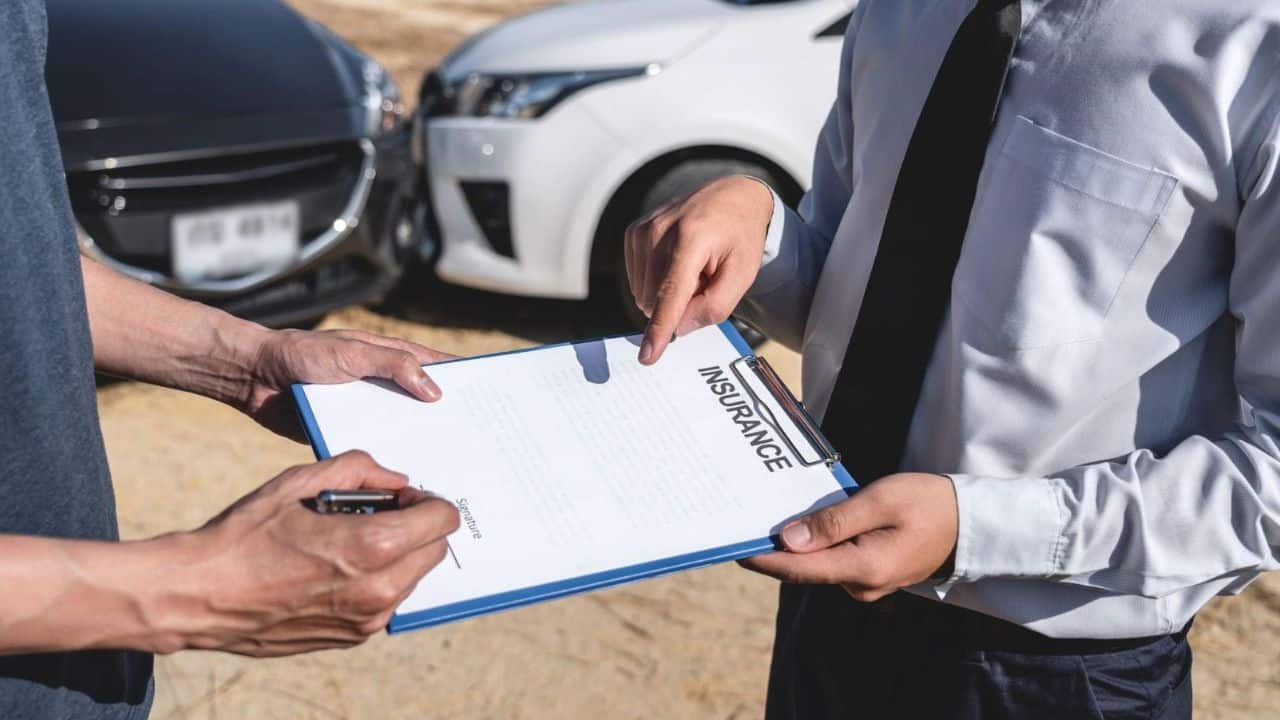
A road accident can leave you shaken, and the paperwork that follows often feels like a second shock. The good news is that an accident claim under a motor policy follows a fairly standard flow in India. Once you know what insurers and surveyors look for, you can avoid delays, reduce back-and-forth, and get your vehicle back on the road sooner
This article walks you through the accident claim process in a clear, step-by-step way, including how cashless repairs work, when a police report is required, and which documents are usually needed to keep things smooth.
First Steps After an Accident to Protect Your Claim
Before you think about repairs or forms, focus on safety, then on preserving the basics that support a car insurance claim. Move to a safe spot if the vehicle can be shifted, switch on hazard lights, and check for injuries. If anyone is hurt, call for medical help first.
When the situation is stable, do three things that make later claim stages much easier:
- Capture evidence early: take clear photos of the damage, number plates, the road, skid marks (if visible), traffic signals, and a wide shot of the scene.
- Exchange essentials: note the other driver’s name, mobile number, vehicle number, and insurer details if they share them.
- Avoid quick settlements on the spot: even a friendly cash settlement can complicate things later if hidden damage appears or the other party changes their version.
If the accident involves injury, significant damage, third-party property damage, or a dispute, inform the police and follow the local reporting process.
Understand how comprehensive insurance Changes What You Can Claim
If you hold comprehensive insurance, it typically covers both third-party liability and damage to your own car from insured events such as accidents. That means you can raise an own-damage claim for repairs to your vehicle, subject to the policy terms, deductibles, and exclusions. In contrast, a basic third-party policy is primarily intended to cover legal liability towards others.
It does not usually pay for repairs to your own car after an accident. Also, check whether you have add-ons that can materially change your payout experience, such as zero depreciation, engine protection, roadside assistance, or return-to-invoice. You do not need to memorise policy wording, but you should know which extras you opted for, because the surveyor’s assessment and the final settlement often follow those choices.
Step-by-Step Accident Claim Process in India
Here are the steps to the claim process in India:
Step 1: Inform Your Insurer Without Delay
Intimate the claim as soon as you can, using the insurer’s app, website, customer care, or your agent. Share the essentials: date and place of accident, what happened in brief, and the vehicle details. Ask for the claim reference number and save it. A simple tip that helps: describe what you know, not what you assume. If you are unsure about a detail, say so.
Step 2: Register the Claim and Follow the Inspection Instructions
After a claim is registered, the insurer generally arranges a surveyor’s inspection to assess damage. In many cases, insurers prefer inspection before repairs begin (except for emergency towing or safety-related steps).
If the damage is serious, avoid moving the vehicle until you have guidance, unless it is unsafe to keep it where it is. If the vehicle is taken to a workshop, share the location so the inspection can happen there.
Step 3: Choose Cashless Repair or Reimbursement
Your next decision shapes how payments happen:
- Cashless claim: You repair at a network garage. The insurer and garage coordinate; you usually pay only the non-payable parts, such as deductibles, depreciation (if applicable), and exclusions.
- Reimbursement claim: You may repair at a garage of your choice, pay the bill first, and then submit the documents for reimbursement in accordance with the policy terms.
In case of any doubt, you can enquire with the garage whether they are in your insurer’s network and whether they offer cashless documentation from start to end.
Step 4: Share Documents and Repair Estimate
The garage typically prepares an estimate, which is reviewed alongside the surveyor’s report. This is where clarity matters: if any part looks unrelated to the accident, insurers may ask questions or reduce approval. Keep copies (digital is fine) of what you submit, and ensure names, vehicle number, and policy details match across documents.
Step 5: Repair Approval, Work Completion, and Final Bills
After the insurer approves the repair estimate, the workshop proceeds with the repair. Once the repair is complete, the settlement is shared via the final bill and job card. For cashless, the insurer pays the garage directly for the approved amount, and you settle the balance. For reimbursement, you submit the paid invoice and supporting papers to receive payment into your bank account as per your chosen mode.
Final Takeaway
A smooth accident claim is less about knowing insurance language and more about getting the sequence right: intimate early, document the scene, enable inspection, choose the right repair route, and submit clean paperwork. Do that, and the rest is largely process.